

গঙ্গাবুড়ি / Gangaburi: A River Heritage Project 2024-25
March 13, 2024 - May 02 , 2025
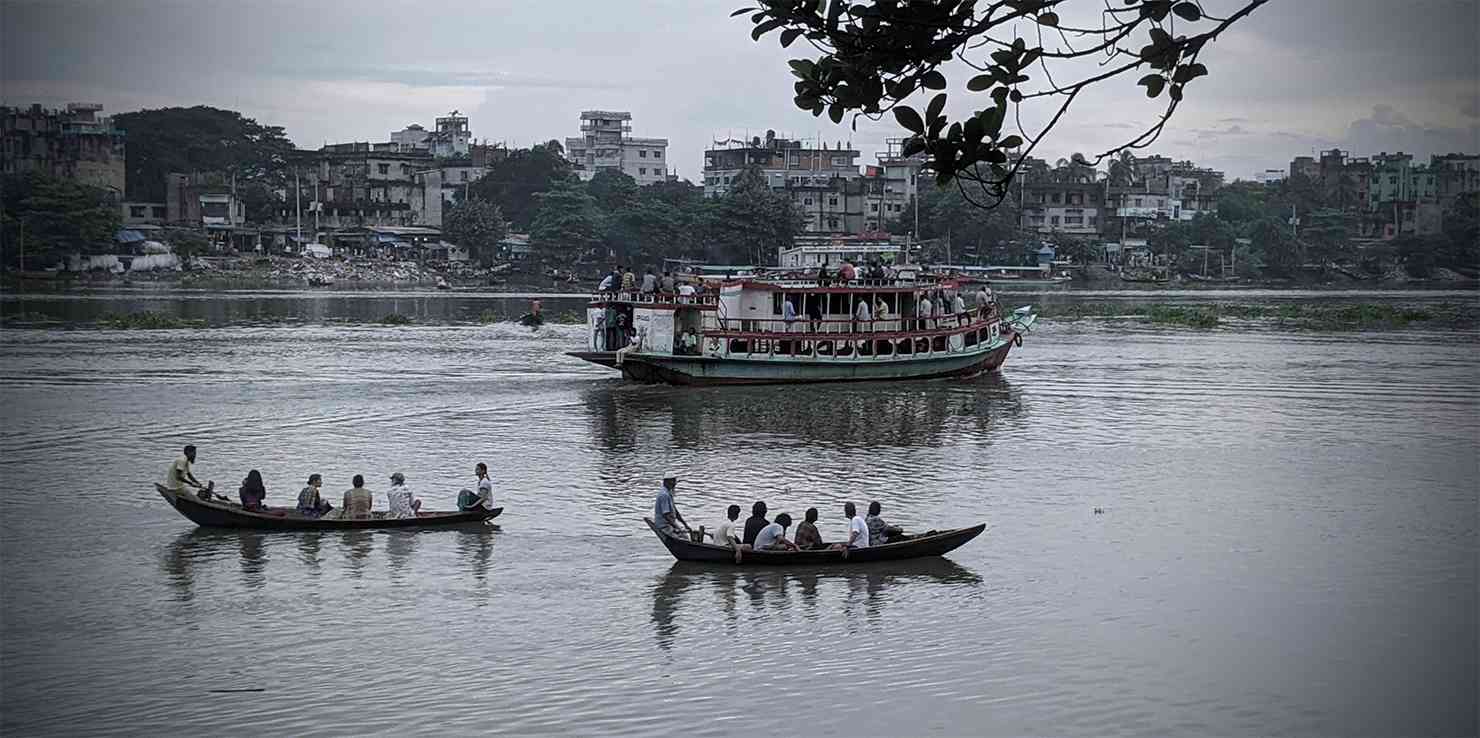
The Buriganga River, once the lifeblood of
Dhaka, witnessed the city’s growth through trade, craftsmanship, and rituals,
but now struggles under pollution and urban pressure.
Initiated by Brihatta Art Foundation,
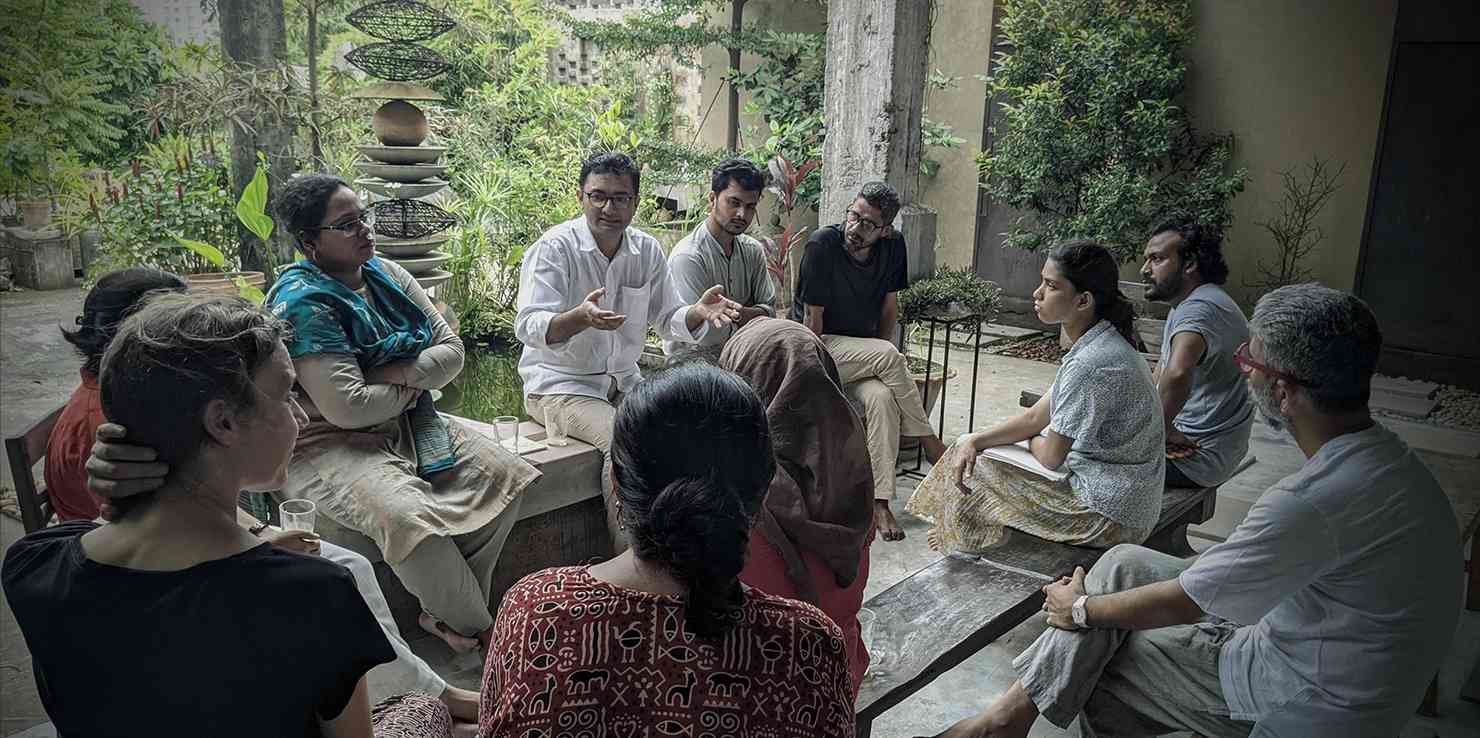
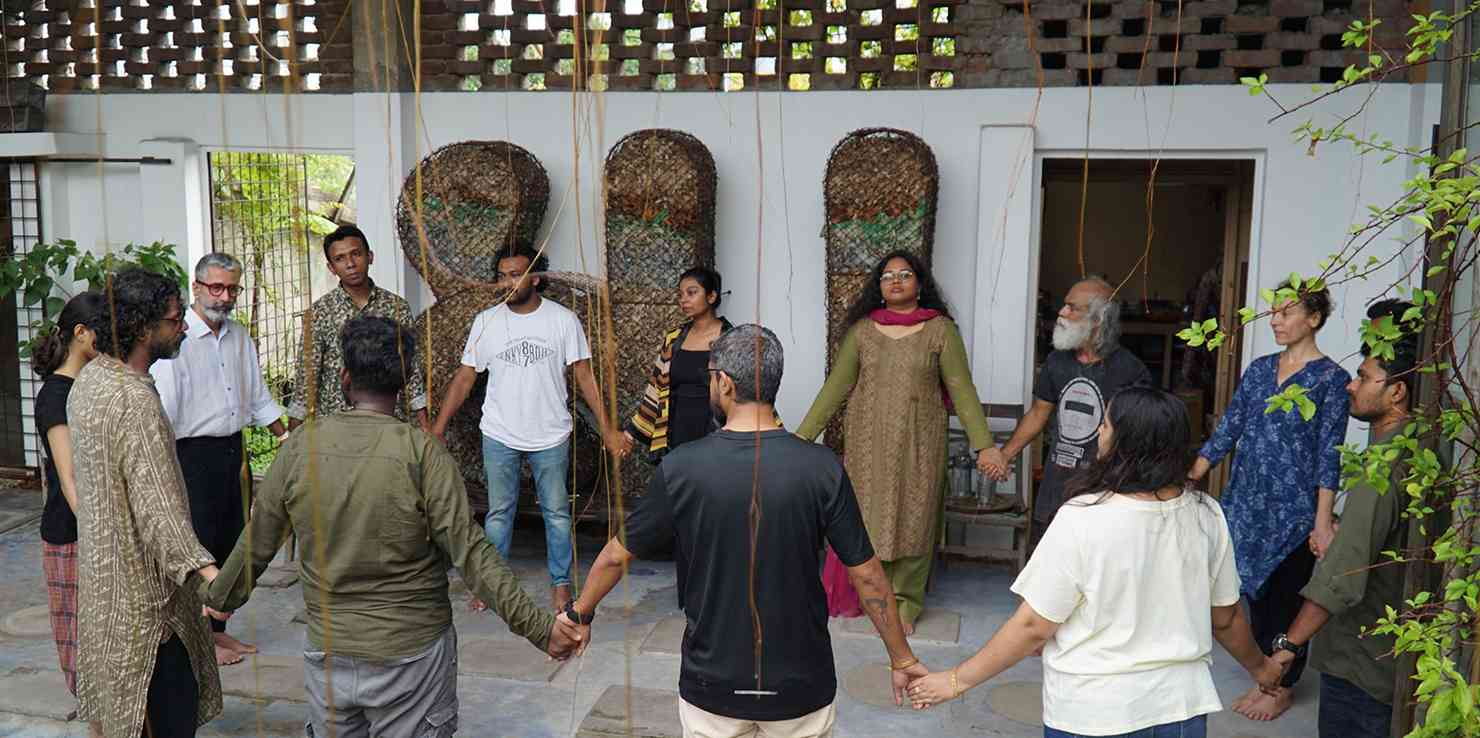
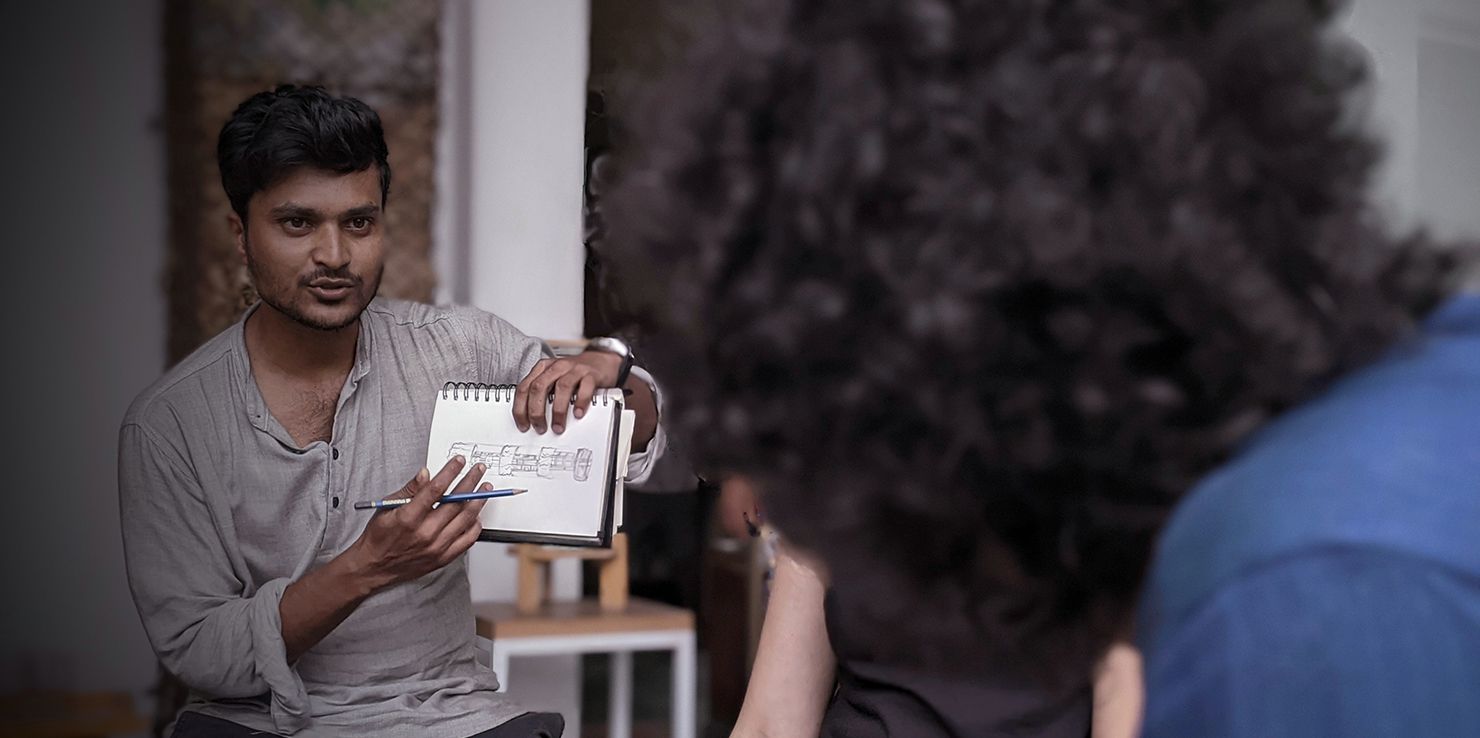
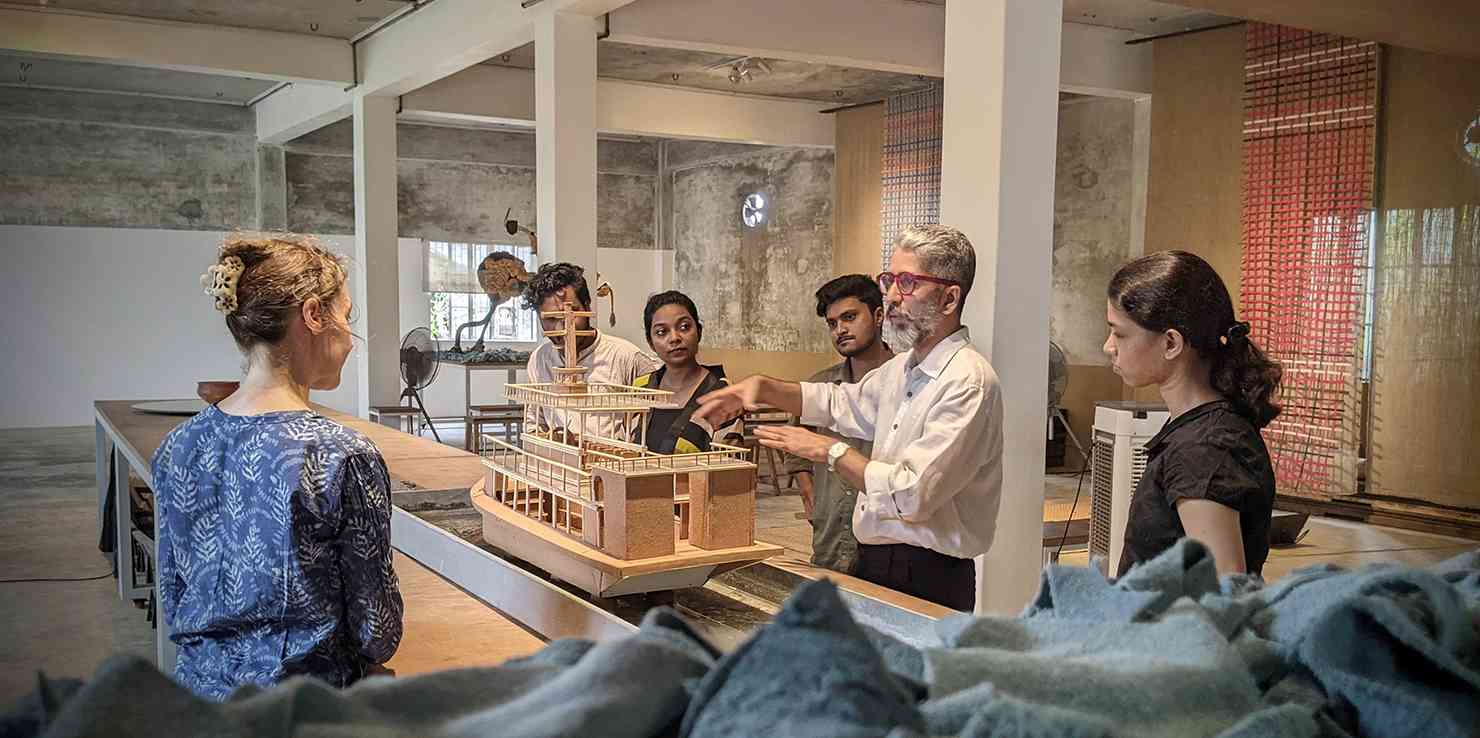
Gangaburi: River Heritage Project – 2024 revisited this bond through a workshop
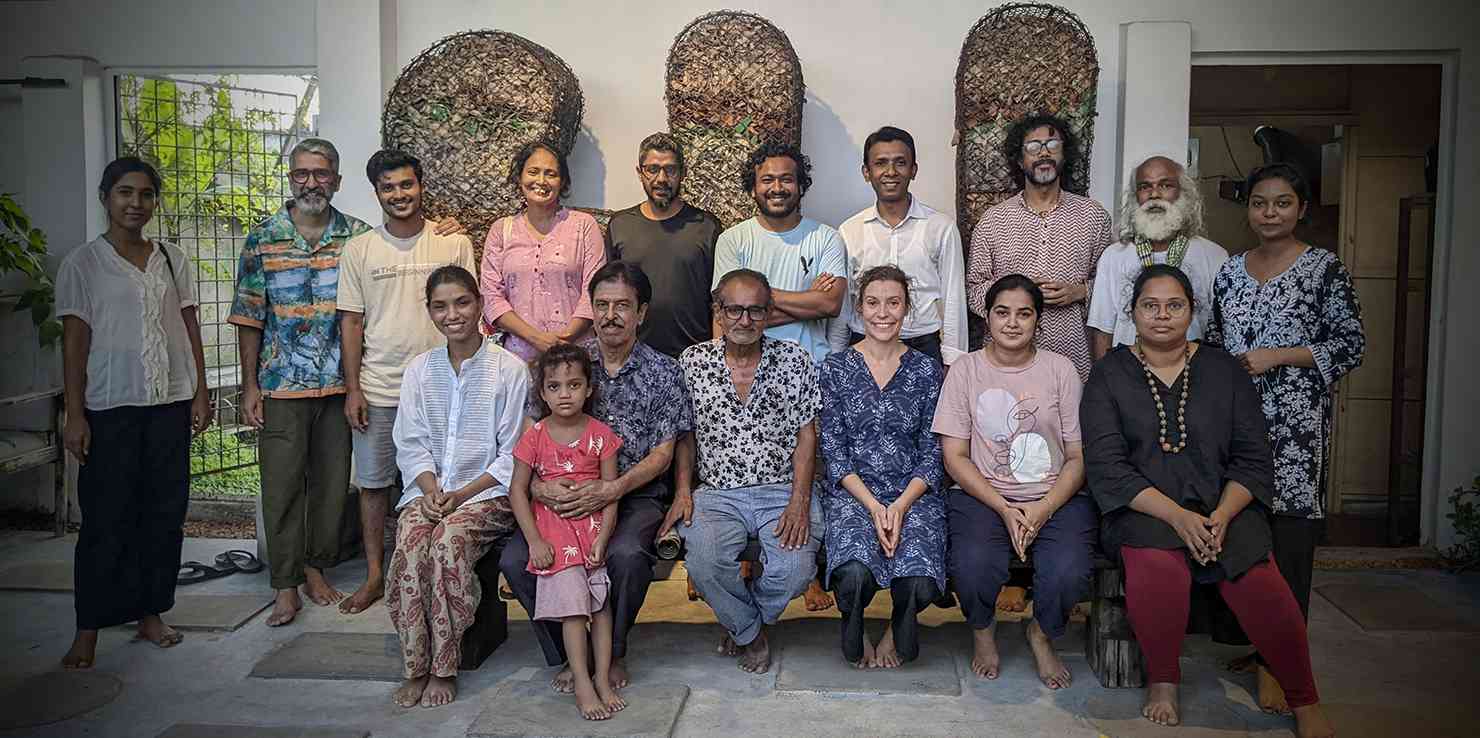
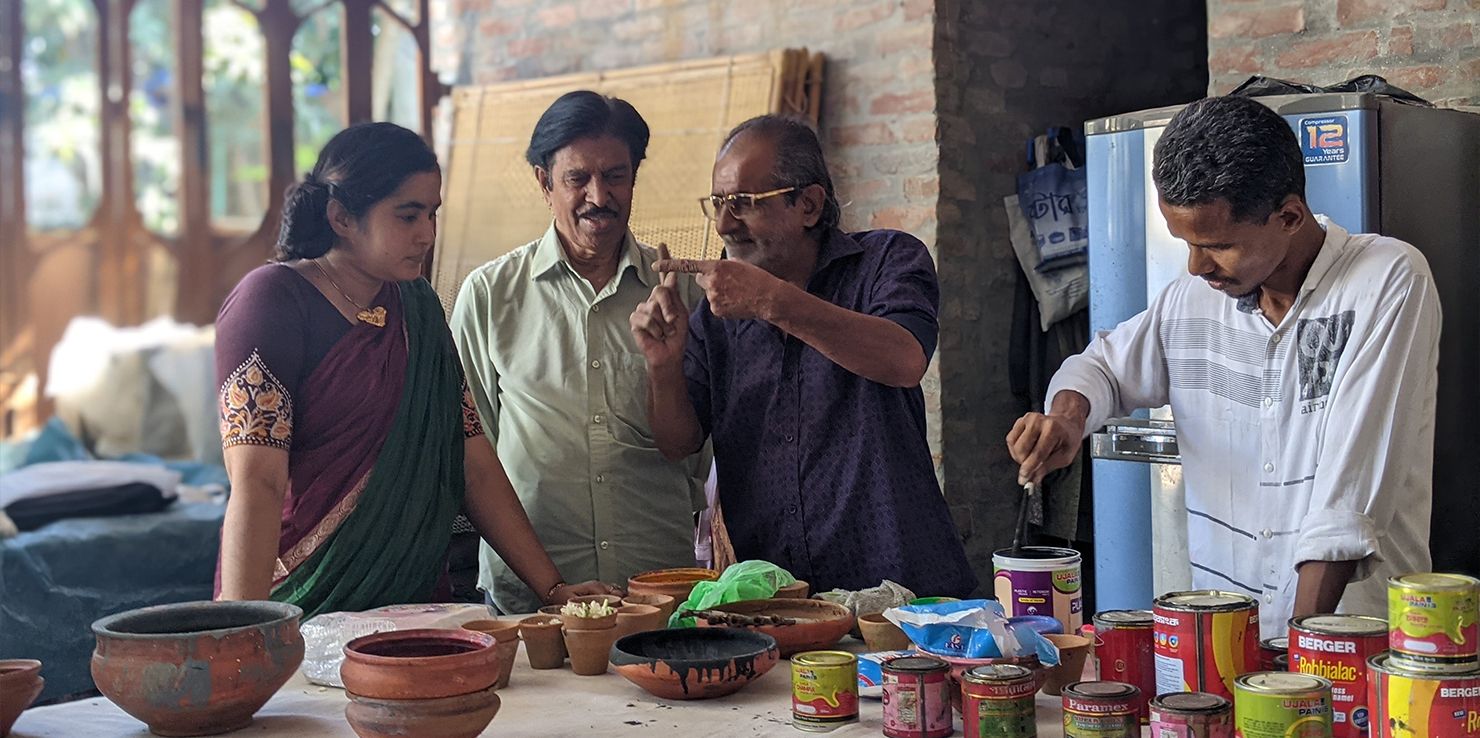
with six contemporary artists, two urban traditional artists, and three
performance artists exploring mythology, folklore, and lived experience.
The River Heritage Project_গঙ্গাবুড়ি / Gangaburi is supported by the British Council. An evolution and expansion from previous year’s collective work (2023), ‘গঙ্গাবুড়ি / Gangaburi—the river heritage project,’ has been supported by EUNIC (the European National Institutes for Culture) Bangladesh: the British Council in Bangladesh, Alliance Francaise de Dhaka, Goethe-Institut Bangladesh, EU Delegation in Bangladesh, Embassy of the Netherlands in Bangladesh, and Embassy of Spain in Bangladesh. The title of this project is inspired by the song “Gangaburi” by Kafil Ahmed. The project is directed by Bishwajit Goswami and curated by Shehzad Chowdhury.


Exhibition Notes
The journey was not without challenges—especially staging an exhibition aboard a moving vessel—but it was made possible through the commitment of the participating artists, the dedication of our organizers, and the generosity of countless volunteers.
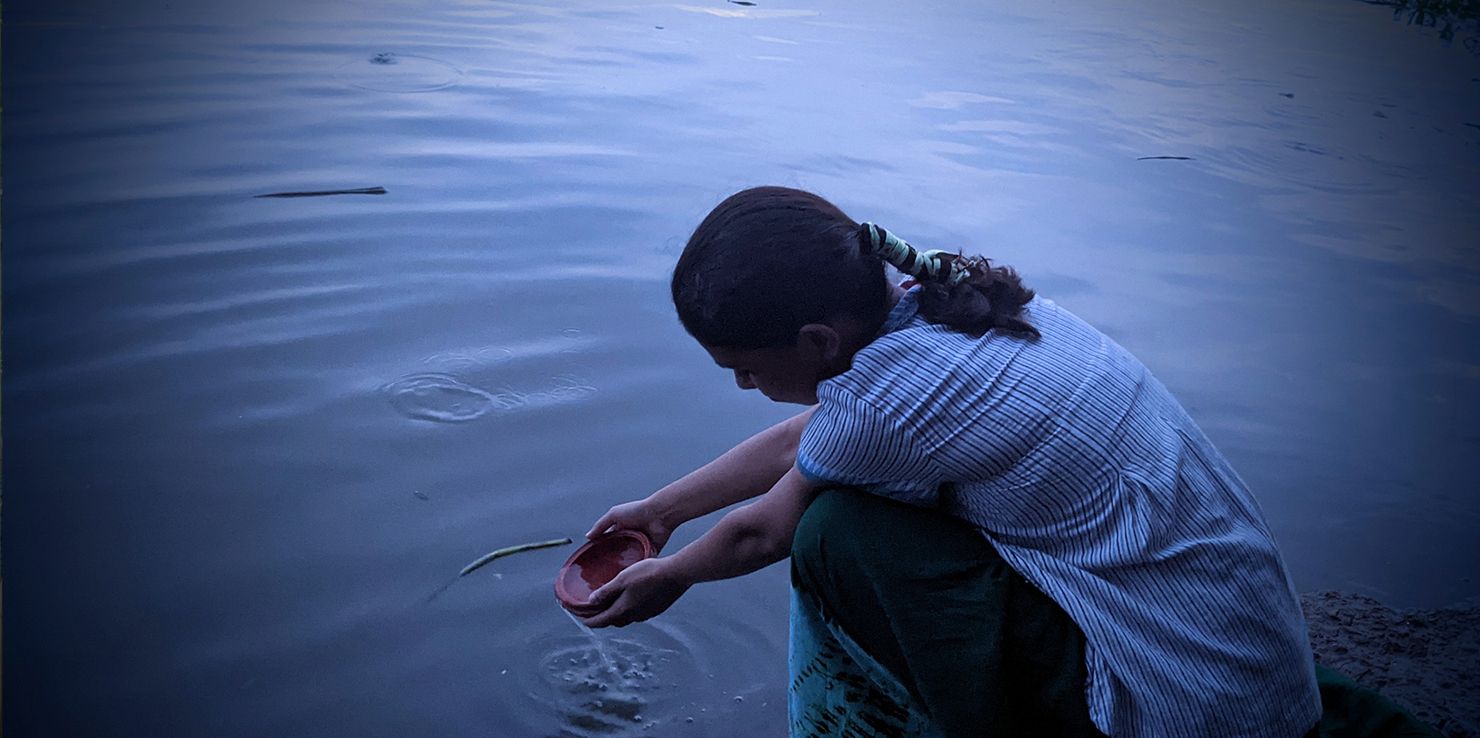
In our region, the river has always been more than water—it is life, a metaphor deeply rooted in our psyche and oral traditions. The river as jibon and the boat as murshid recur across our folklore, guiding us through the treacherous currents of existence.
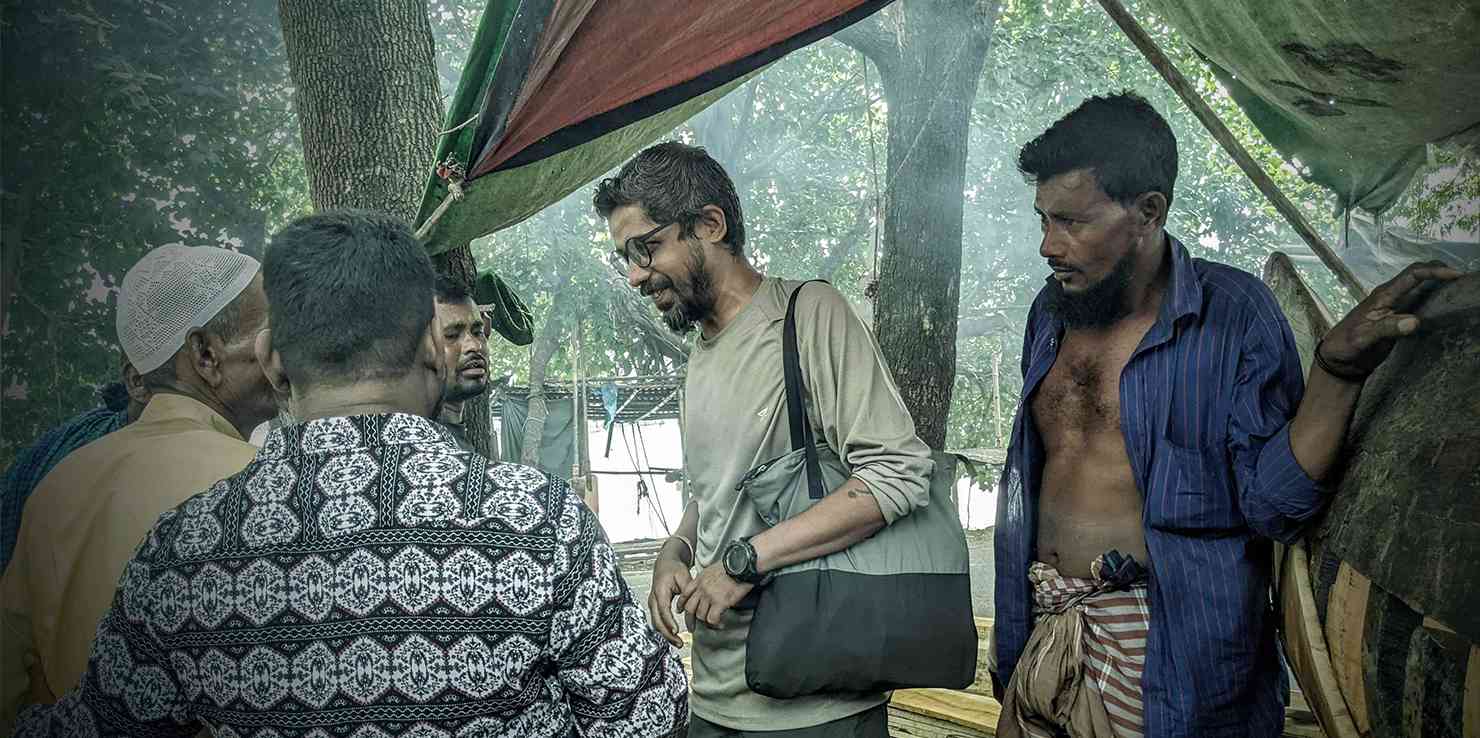
In our effort to reconnect with the Buriganga, our team engaged with myths, religious stories, and everyday rituals, while closely observing the vibrant activities along its banks. The intention was not only to bring sensitivity to the wider community but also to bring the community itself back to the river.
I hope this exhibition rekindles our collective passion and strengthens our bond with this vital artery of Dhaka, inspiring us all to envision a healthier, more harmonious Buriganga.
Shehzad Shahriar Chowdhury
Project Curator
The Buriganga has long been the pulse of Dhaka, shaping the
lives, livelihoods, and identities of those along its banks. Traders,
fishermen, worshippers, and families have depended on it for generations. Yet,
the growth of the city has also brought heavy burdens upon this once-revered
river.
The relationship between the Buriganga and its people is one of
shared rhythm and resilience—a coexistence where the river is both sustenance
and storyteller. To protect the river is to protect the spirit of the
community, for their fates are inseparably bound.
Presenting site-specific works on a two-storied boat allowed
audiences to immerse themselves in the river’s flow—experiencing art not as
distant objects, but as living dialogues with water, people, and tradition.
Through these works, the artists revive stories of riverside
rituals, celebrate the beauty of daily life along the Buriganga, and invite
viewers to join a conversation about preservation. This exhibition is more than
an artistic expression—it is a bridge connecting past, present, and future,
reminding us that the resilience of the river and its people mirrors one
another.
May this shared journey inspire reflection, unity, and action
toward safeguarding the Buriganga for generations to come.
Bishwajit Goswami
Project Director
-
Grantees: Bilas Mandal, Dinar Sultana Putul, Elodie Guignard, Moinuddin Moni Mojahid Musa, Rupakalpa Chowdhury
Performance Artists: Farah Naz Moon, Joydeb Roaja, Yasmin Jahan Nupur
Urban Traditional Artists: Md. Hanif Pappu, Syed Ahmed Hossain
Research Team: Dr. Abu Kalam Shamsuddin, Sabiha Ambareen Haque, Souradeep Dasgupta, Tirtha Saha
Project Curator: Shehzad Chowdhury
Project Director: Bishwajit Goswami
Boat Exhibition | গঙ্গাবুড়ি / Gangaburi: A River Heritage Project
November 15, 2025 - November 17, 2025
The Buriganga River, once the lifeblood of
Dhaka, witnessed the city’s growth through trade, craftsmanship, and rituals,
but now struggles under pollution and urban pressure.
Initiated by Brihatta Art Foundation, গঙ্গাবুড়ি /
Gangaburi:
River Heritage Project – 2024 revisited this bond through a workshop with six
contemporary artists, two urban traditional artists, and three performance
artists exploring mythology, folklore, and lived experience.
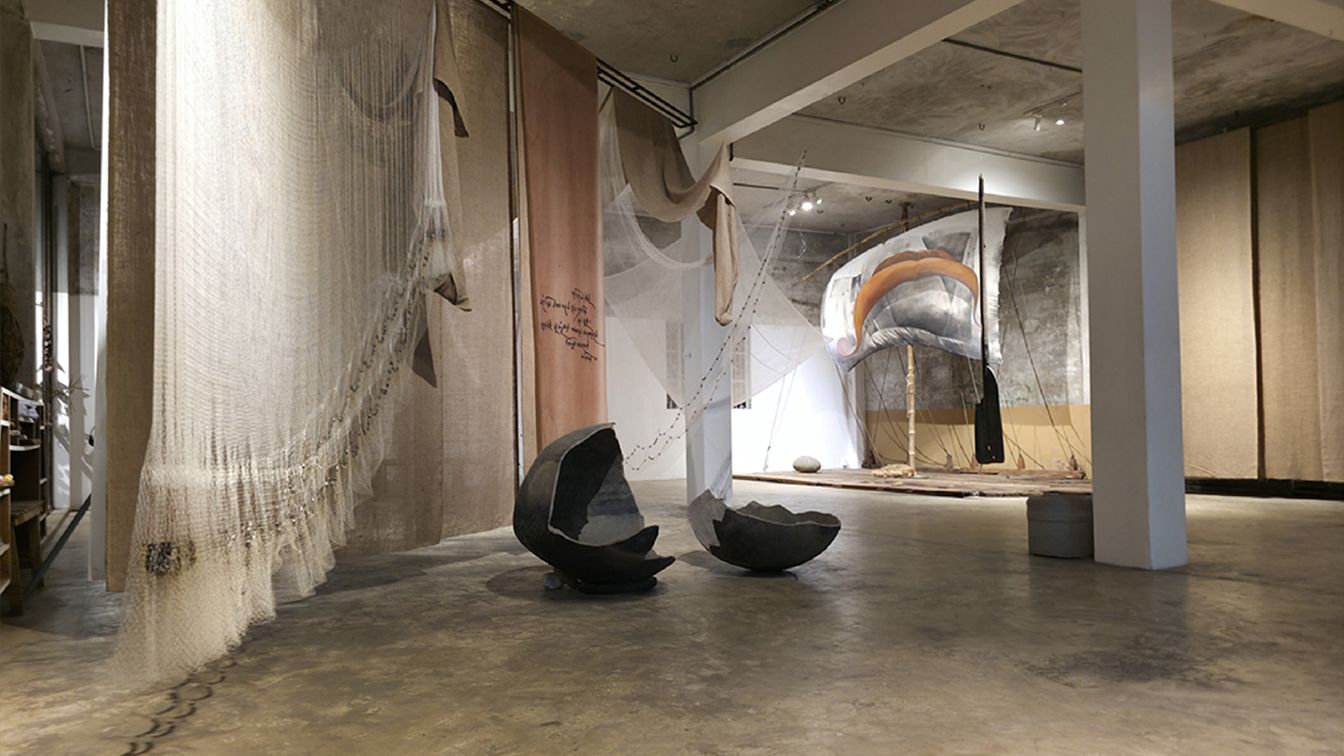
ভাসমান বুড়িগঙ্গা / Floating Buriganga
Bilas Mandal
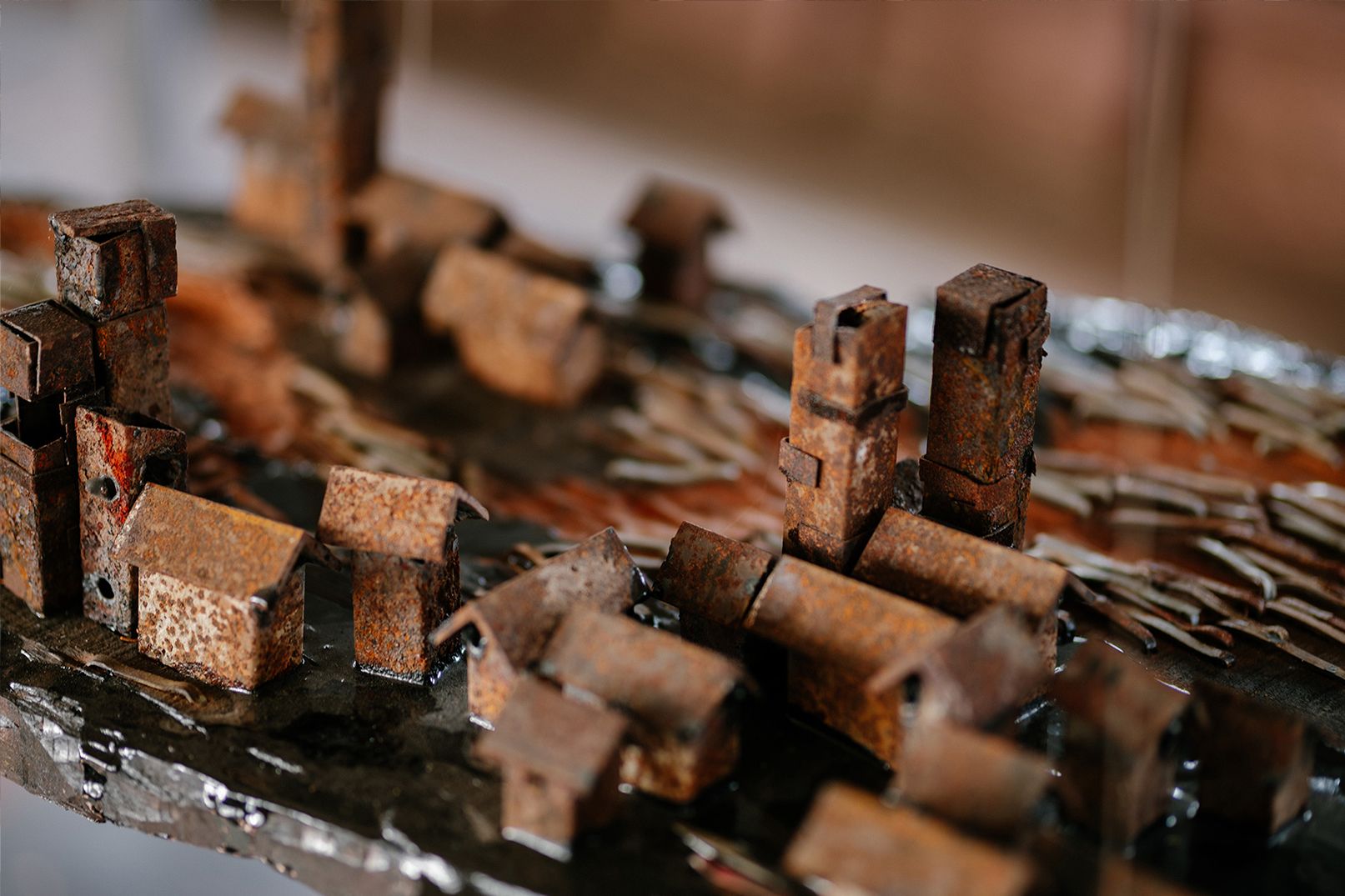
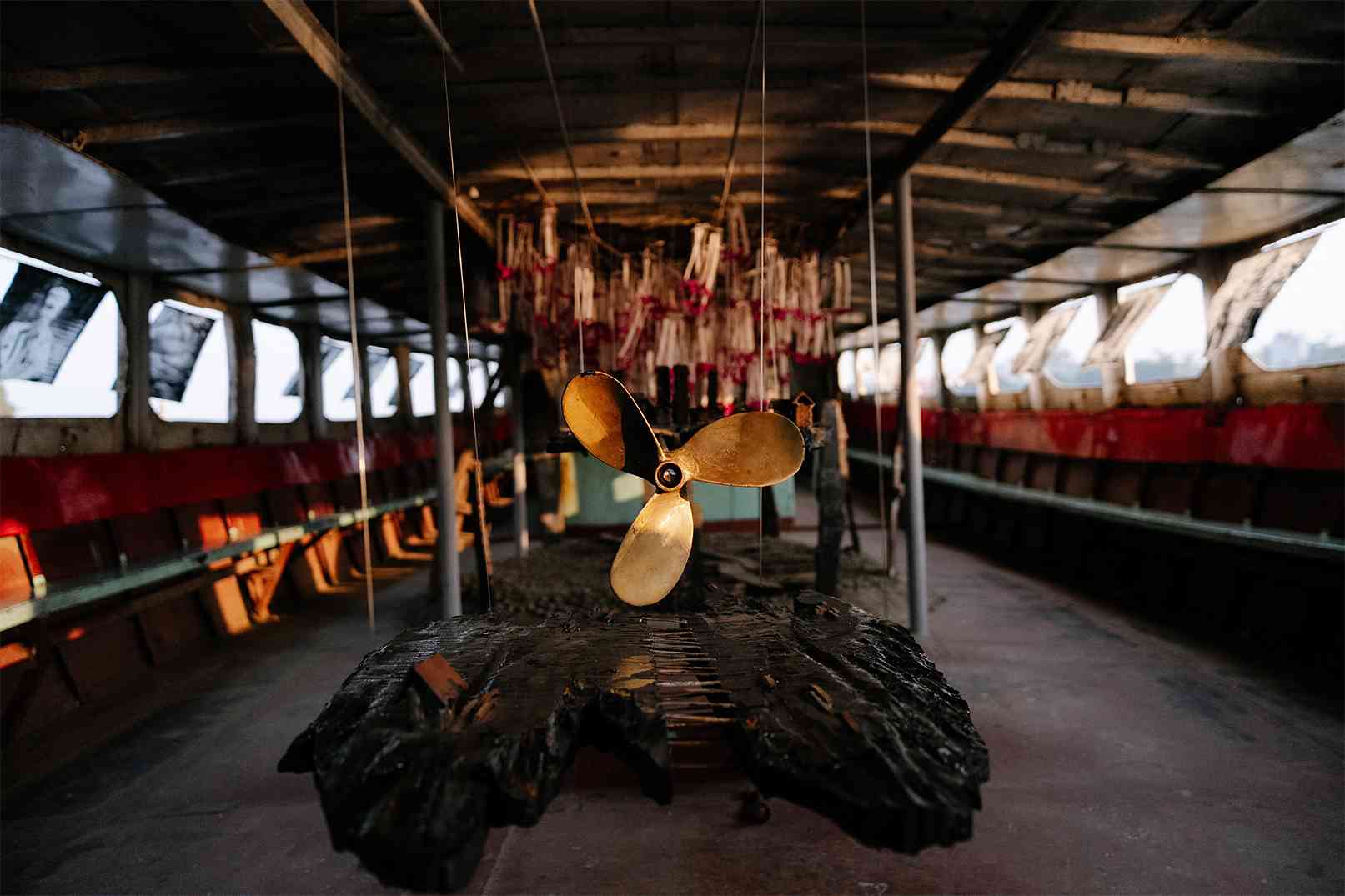
Artist Bilas Mandal visited Buriganga for the first time, and he could not connect to his idea of rivers from his hometown. In his ideas, river ecology, sand bars, and rippling fresh water thrusting the natural banks of the river were met with dark waters of Buriganga, chaos and pollution, dense settlement of migrants, and all things extreme to the nature of his idea of rivers. Thus, the artist tries to draw, compare, and contrast the past and present landscapes of the Buriganga River as the main spine of the life around it. He uses elements like boat staples, a hand-made rowed boat, a propeller, with features of settlements around it to develop his narrative.
Details of work: Sculptural installation _ wood, boat staples
(পাতাম)
metal, bronze, coal tar (আলকাতরা)
_ 180 x 60 x 120 cm _ 2024

অস্তিত্বের ভারসাম্য / The Balance of Coexistence
Dinar Sultana Putul & Mojahid Musa
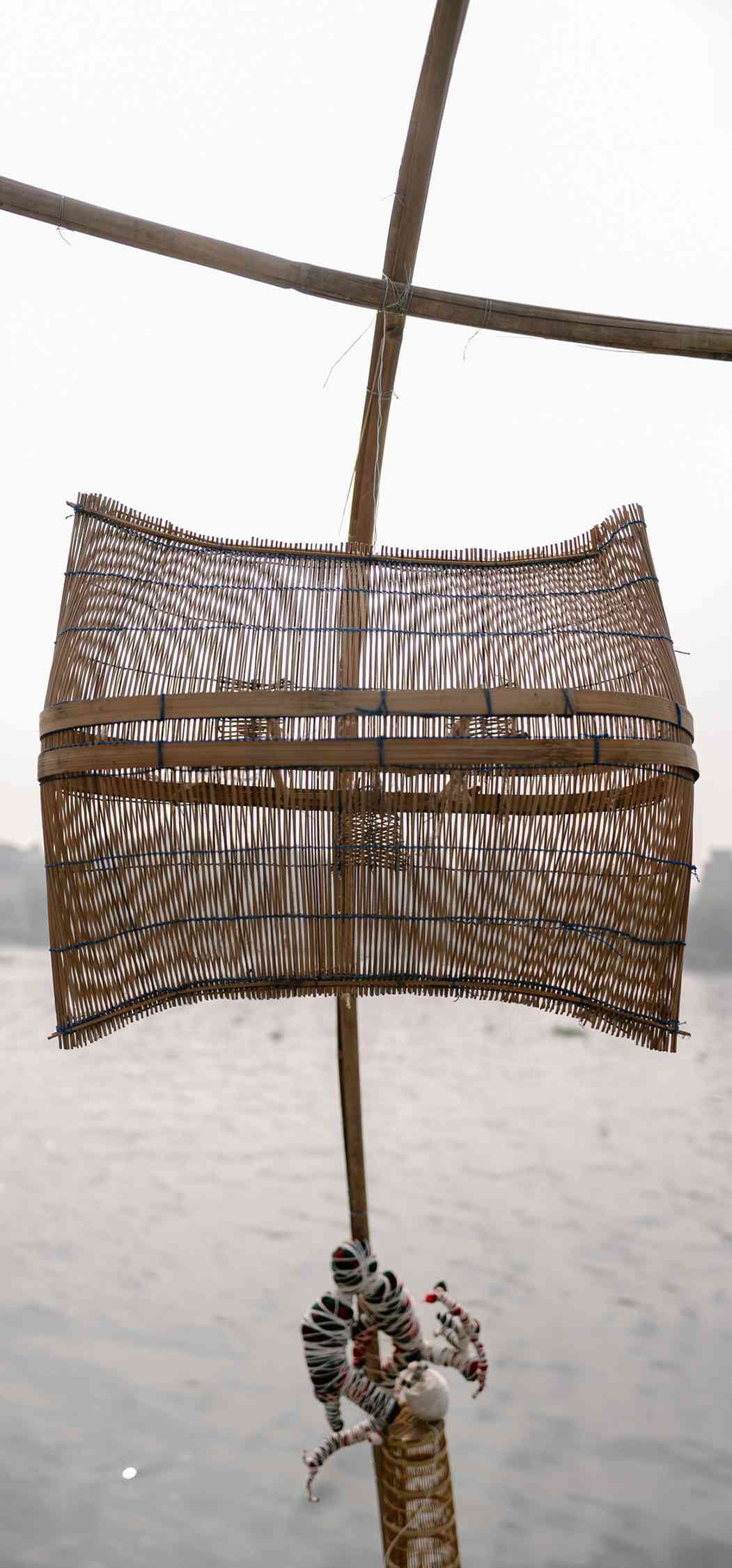
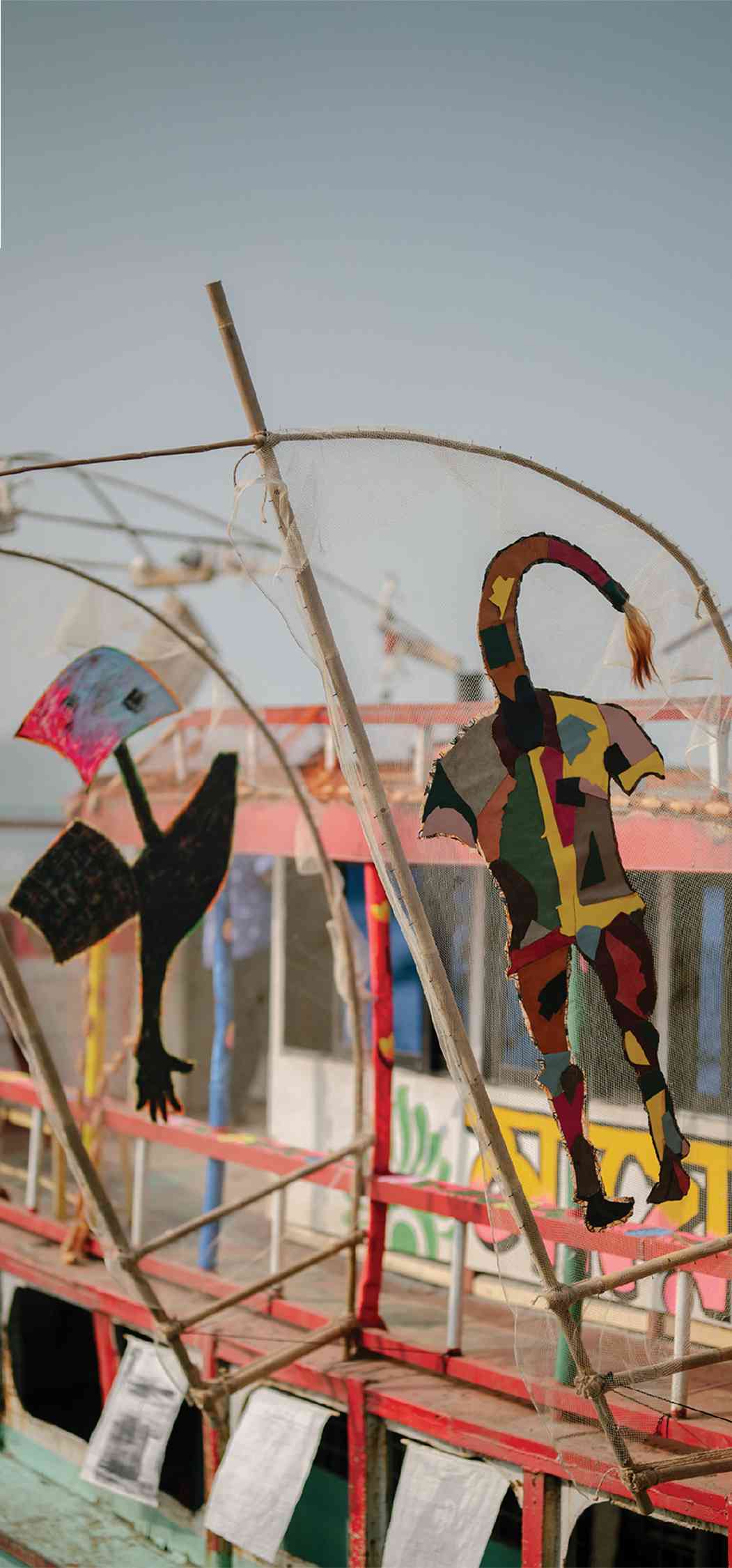
Artists Mojahid Musa and Dinar Sultana Putul, jointly awarded the Gangaburi Phase Two grant, drew inspiration from the concept of Noah’s Ark and the Buriganga River. Unlike village rivers, Buriganga revealed a cycle of creation and decay through its recycled materials—mirroring memory, resilience, and urban life. Observing the absence of women, the artists incorporated recycled sarees alongside cow tails, polythene, and plastic chips to represent female presence and continuity.
Transforming sarees into silhouettes of
humans, animals, and birds, the work bridges Aristotle’s idea of unique
essences with Darwin’s theory of evolution—honoring both individuality and
adaptation. Incorporating motifs of sails, the mythical Buraq, peacocks, and
rickshaw art, the installation symbolizes freedom, progress, and the
coexistence of diverse lives along the Buriganga.
Collaborators: Farzana Bagum,
Khaurshid Jahan Dolon, Md. Hanif Pappu, Monir Hossain, Nur-a-Alaa, Syed Ahmed
Hossain
Details of work: Site-specific installation art _ recycled saree, cotton treads, ritual threads, hair of cow, recycled (polythene, lather, cotton cloth, plastic chips) tabiz, coal tar (আলকাতরা), coal powder, clay, brick dust, snails, fluorescent colors, plastic colors, bamboo sticks, fishing nets, paper mashed _ size variable _ 2024



সোয়ারী ঘাট / Showari Ghat
Elodie Guignard
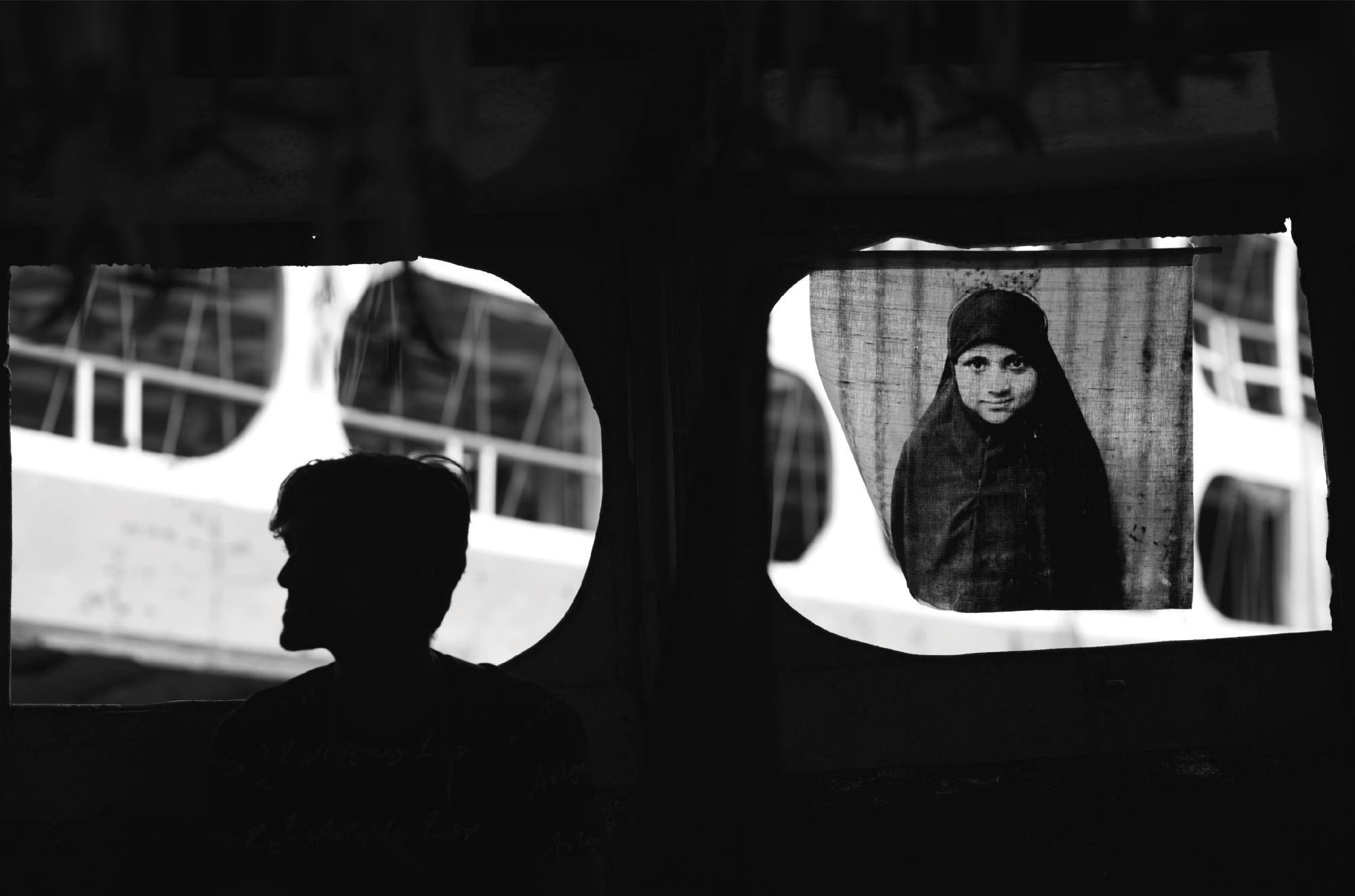
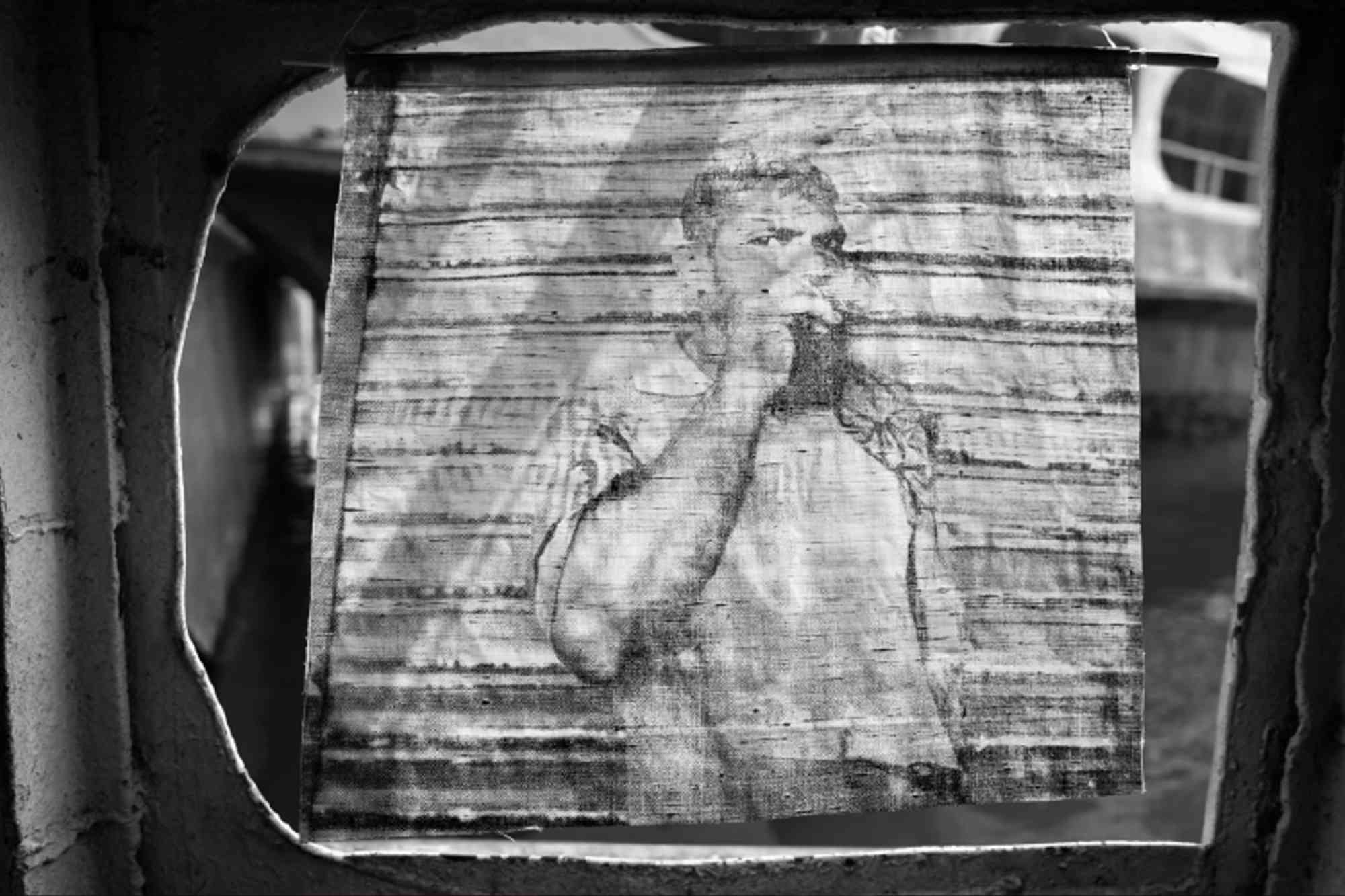
The river is a calm sanctuary in the heart of the bustling city, flowing with a timeless grace that holds both beauty and mystery. Walking along its edge, artist observed its movements, feeling its ancient pull and searching for the stories it has gathered. The river mirrors the city, the sky, and everyone who passes by, carrying fragments of a thousand lives and memories. People come to its banks, performing rituals, washing, bathing, connecting with the water as if it were an old friend. The river soothes and captivates, offering fleeting glimpses into its depths, yet its secrets remain just out of reach. Amid the city’s noise, it flows on, steady and hypnotic—a quiet, unchanging presence that binds us all to something greater.
Collaborators: Rimjhim, Achol,
Abid Hasan Aomi and community of Showarighat
Details of work: Photography _
Analog medium format photography/screen printed on fabric _ 50 x 50 cm _ 2024

অনুরণন / Aonuronon
Moni Majhi (Moinuddin Moni)
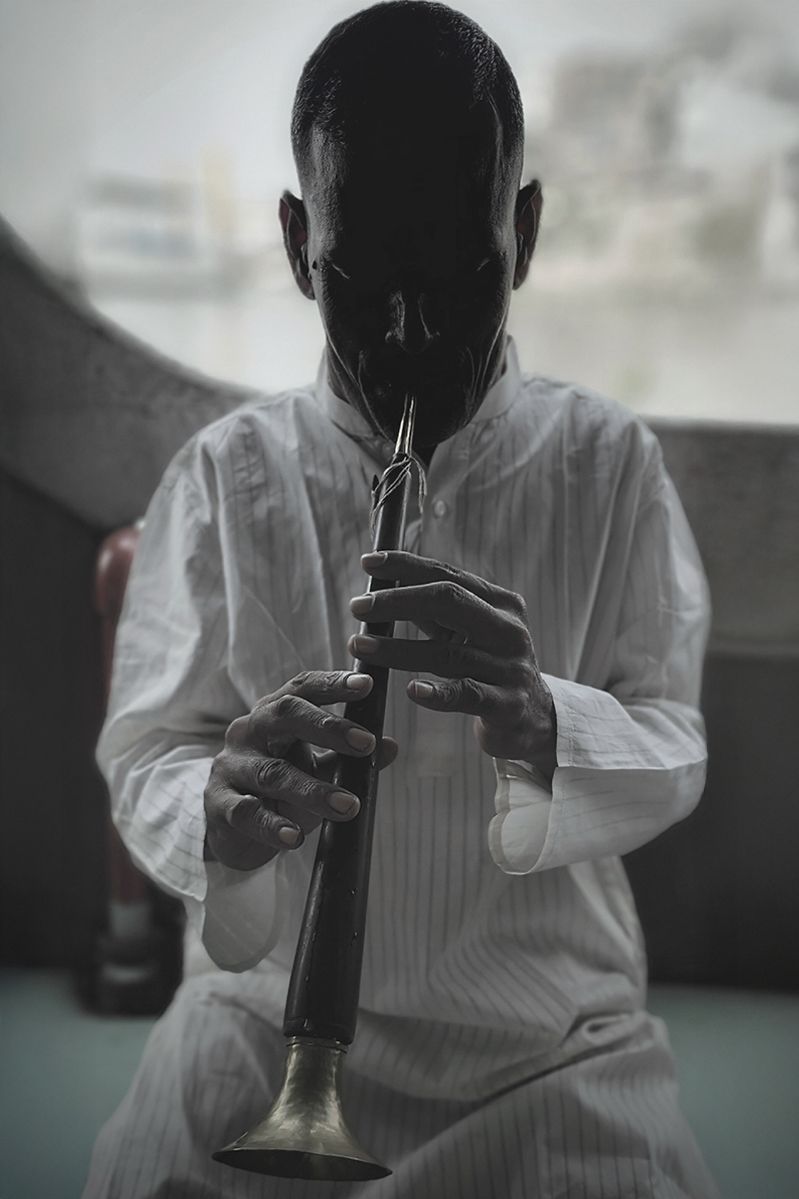
Aonuronon (অনুরণন), meaning “resonance,” reflects the dialogue between Bengal’s rivers and the communities living along their banks. The rivers are revered as sacred, life-sustaining forces that shape traditions, rituals, and songs woven into everyday life. Artist Moni Majhi worked with boatmen from Thotaghat (Buriganga) and Shola artisans from Gandamari village (Khulna) to create a site-specific installation using soil, boat wood, rice flour, straw, sanai, papaya-branch flutes, tree branches, and sewing thread—materials resonating with the delta’s spirit. Inspired by Razib Hasan Chowdhury’s “philosophy of water” (Gangaburi Phase-2 workshop), the work celebrates the enduring harmony between people, nature, and the river.
Collaborators:
Artisans:
Md. Hanif Pappu, Monir Hossain
Shenai Player: Joy Das
Flute Maker: Shahadat Hossain
Shola Artist: Chinmoy Mandal & family (Gandamari, Khulna)
Boatmen Community: Salim Bhai (Headman of Thotaghat)
Architect: Razib Hasan Chowdhury
Details of Work:
Installation
art: 330 × 180 × 165 cm_2024
Materials: soil, boat wood, rice flour, straw, sanai, papaya flutes, tree branches,
sewing thread


তরল শিকড় / Fluid roots
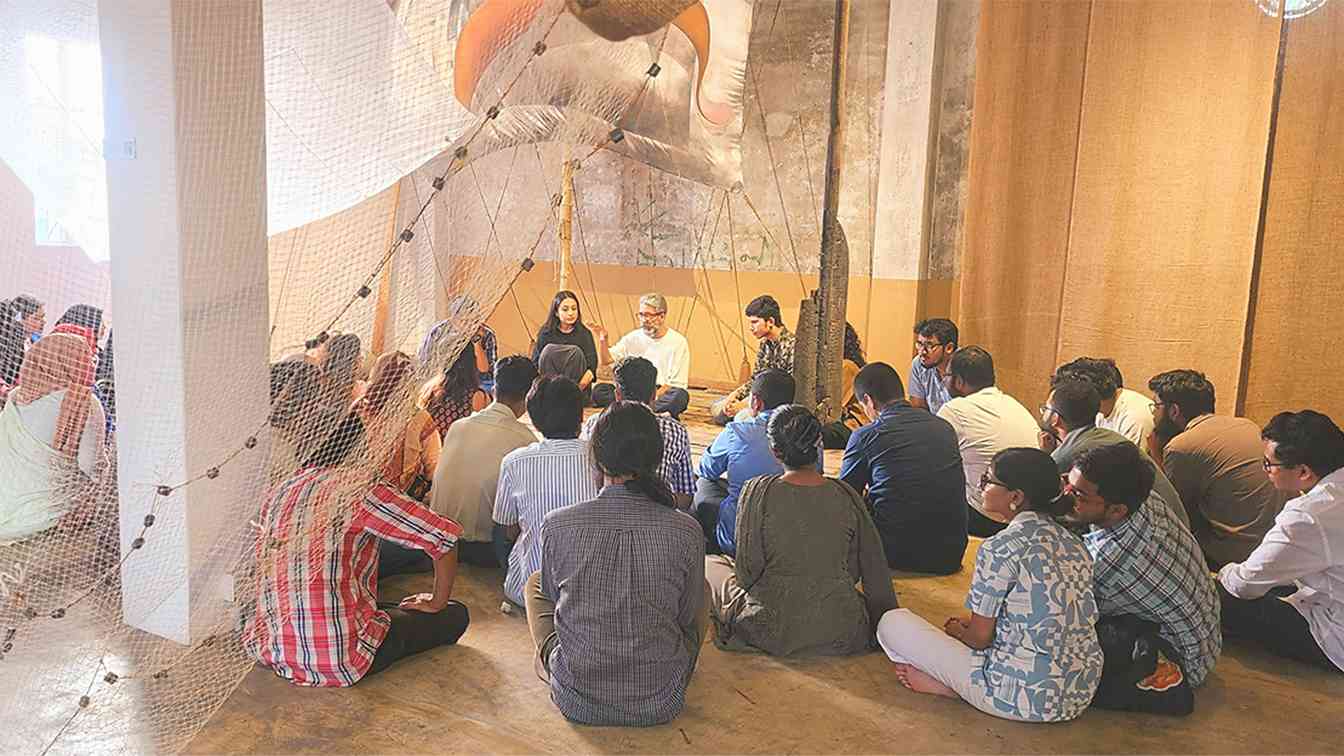
Joydeb Roaja
Rivers,
which should flow freely with life, are shown as both a source of nourishment
and a dumping ground for waste. Through this act, the artist calls attention to
our collective responsibility to address the growing problem of plastic
pollution. The performance reminds us that we are not helpless bystanders; we
are part of the solution.
He
stands with the community, sharing stories like each word is a thread
connecting past and present. In his act, he takes ownership of the wrongs we’ve
done to the river, acknowledging the pain we’ve caused. Through his presence,
his voice, he speaks the silent truth of our relationship with the
Buriganga—its wounds, its neglect, its cry for help. His performance is a call
to remember, to heal, and to reclaim our responsibility for the waters that
once gave us life


যাত্রা / Jatra
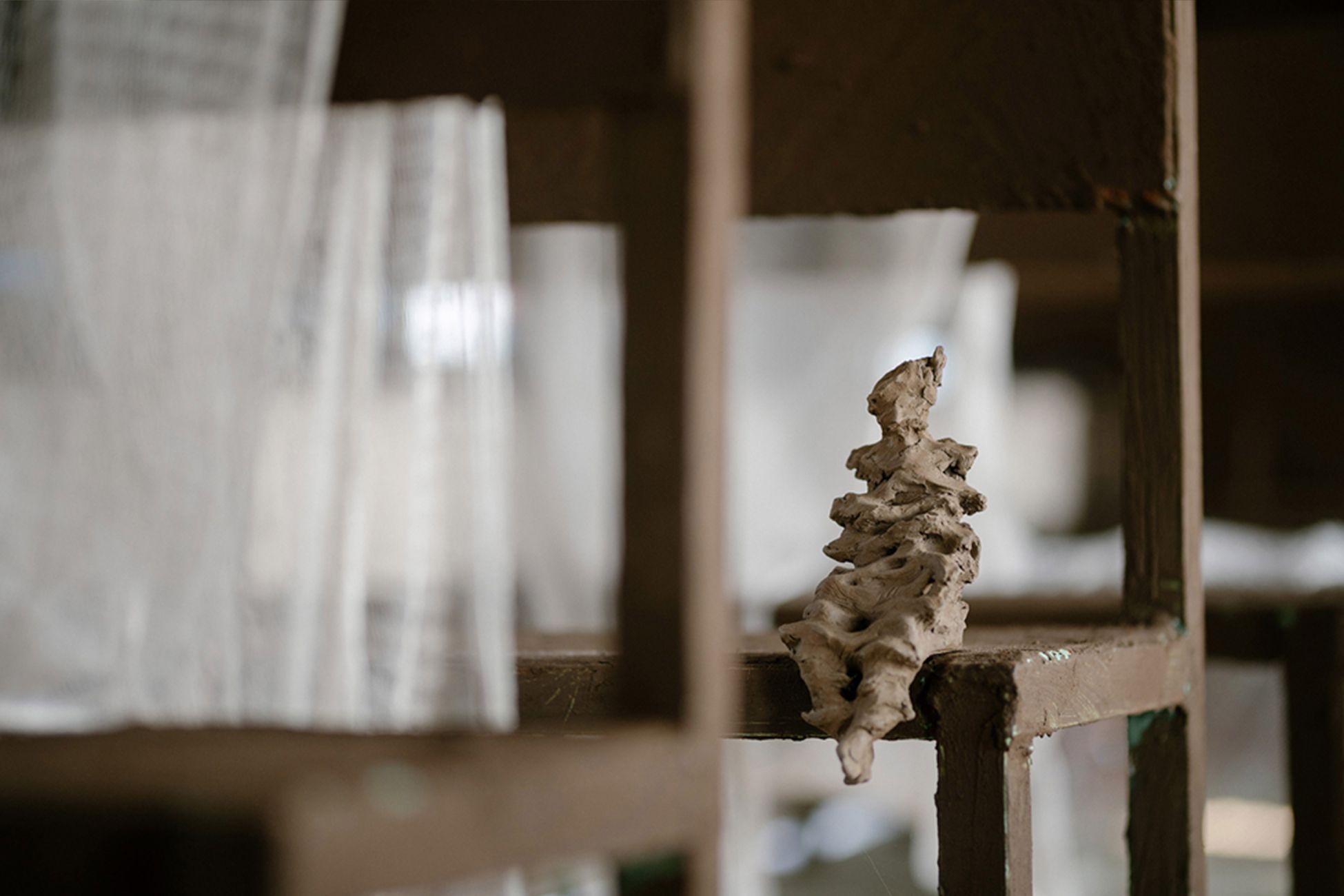
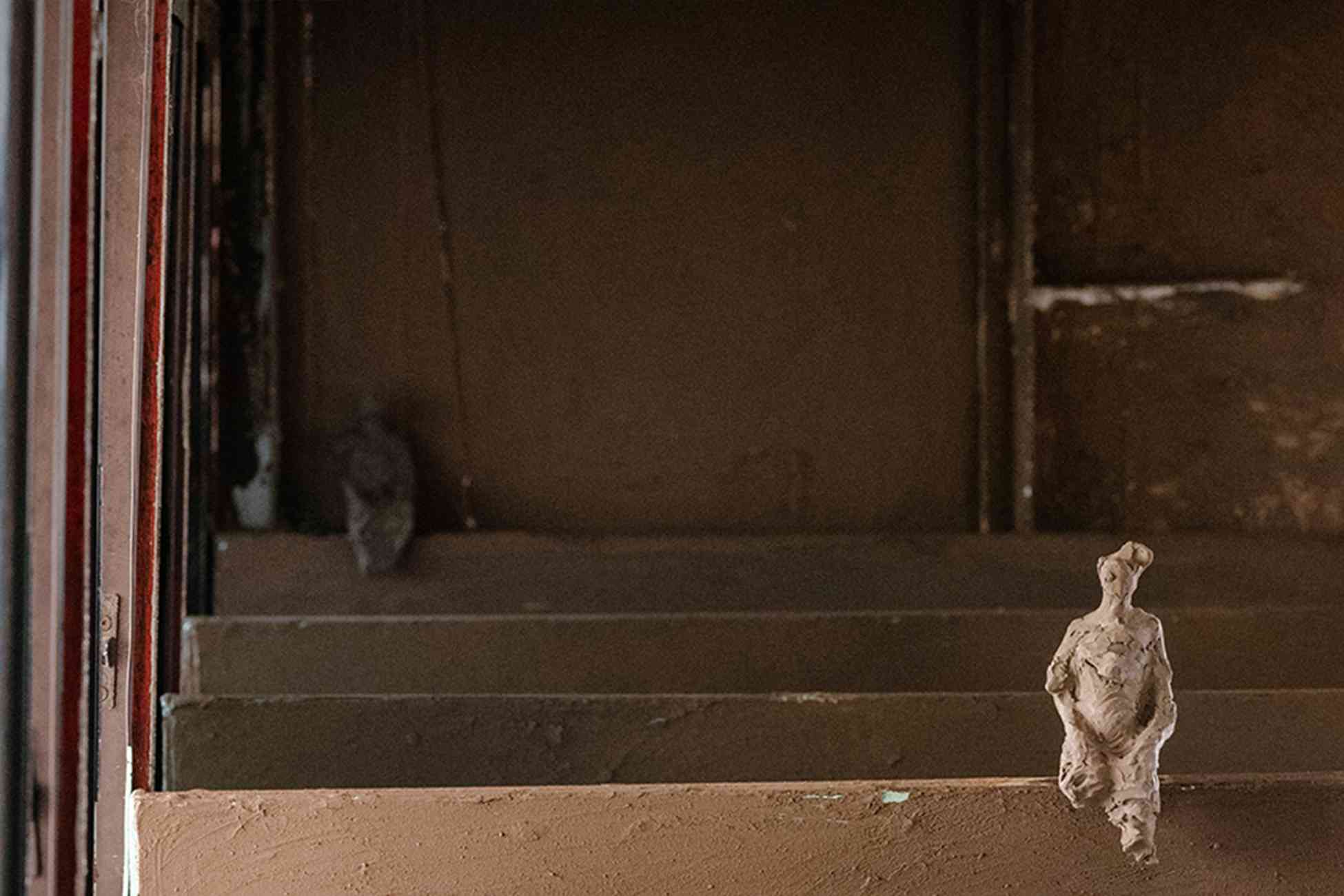
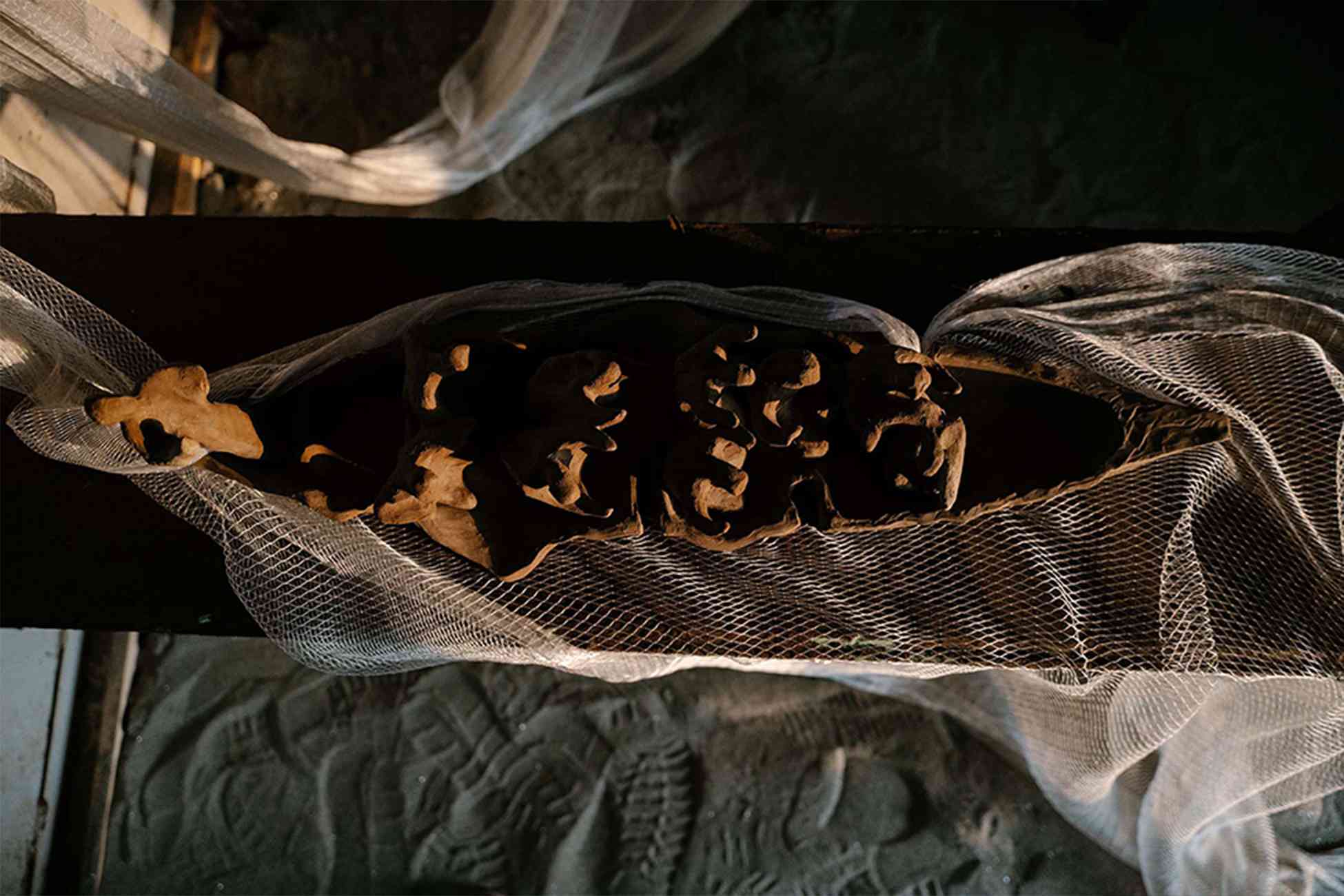
Rupakalpa Chowdhury
যাত্রা/Jatra
symbolizes
the artist’s journey and the vibrant theater of life surrounding the Buriganga
River. This river’s ever-changing flow and resilience reflect Bangladesh’s
deep, ancestral bond with its waterways, a connection that remains etched in
collective memory despite the rivers' current states. The artist’s work is a
tribute to the Buriganga, an expression of gratitude for its enduring presence
and contributions. Engaging with the community along the river added new
perspectives to the artist’s journey, deepening their connection to the river’s
essence. Through this project, the artist hopes to inspire continued reverence
for the river’s flow and a celebration of the dynamic theater of life it
nurtures.
Collaborators:
Music:
Samin Yasar
Community members: Dipa, Nazma, Nurjahan Begum, Dulal Dhali, Mohammad Hanif
Molla, Mohammad Ali Hossain, Nobolaal Das, Pappu, Mohammad Kohinur
Details of work: Site-specific
installation _ sound & clay, fishing net, mirror sheet, bamboo sticks, sand
_ 370 × 134 × 254 cm _ 2024
তোমার প্রতি নিবেদিত / Devoted to you
Yasmin Jahan Nupur
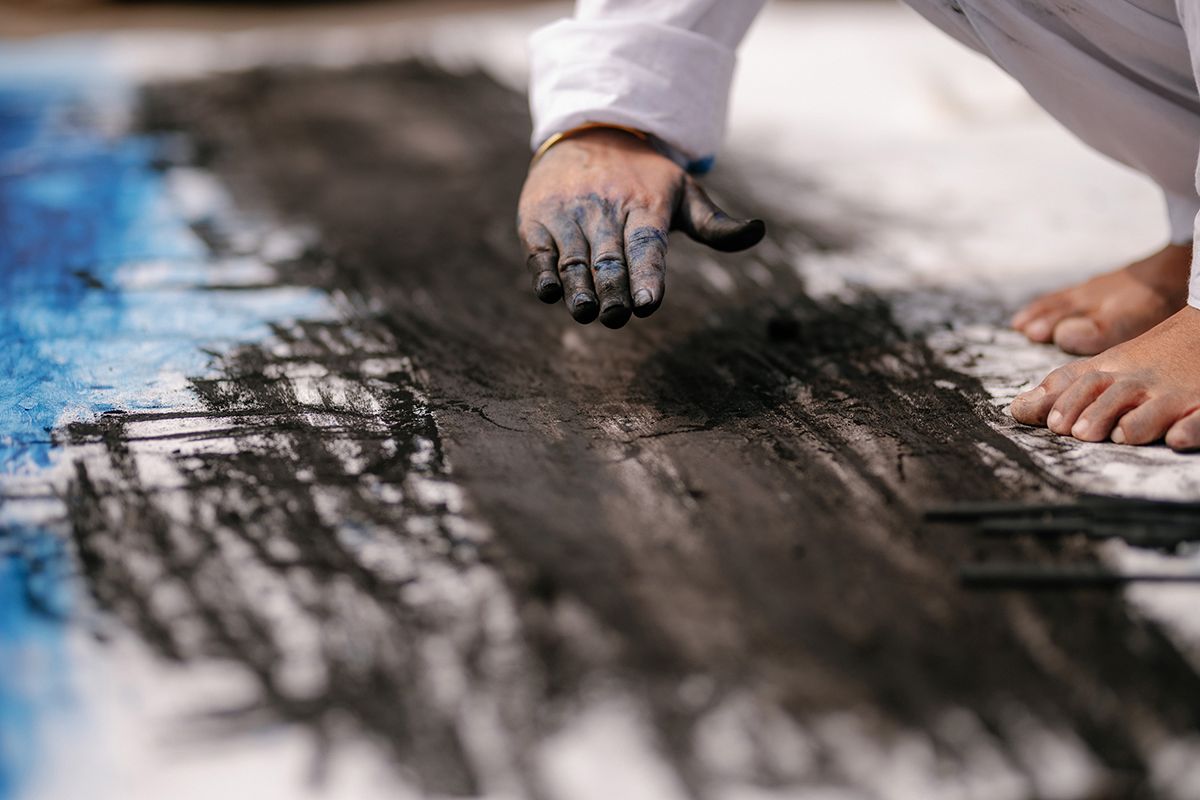
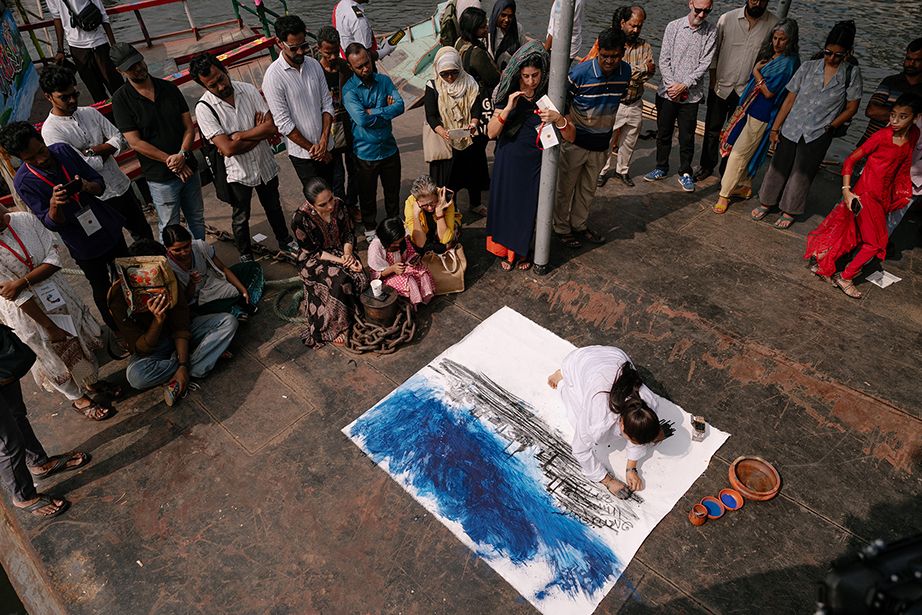
The settlement near the Buriganga has always thrived with trade and commerce, keeping the river bustling with activity. Life around this urban waterway is constantly in motion, with people rushing to chase the next big hustle of the day, oblivious to the changing patterns of the river itself. We seldom take a moment to pause and reflect on the Buriganga — to see it for what it truly is, or what it has been. At times, we may turn to its dark waters for religious or spiritual reasons, yet we rarely make any effort to address the river's declining state. Now, the artist has paused in a moment of penance, compelled to write a letter of truth to the river, acknowledging its reality amidst the relentless pace of urban life.

শুদ্ধি / Serenity
Farah Naz Moon
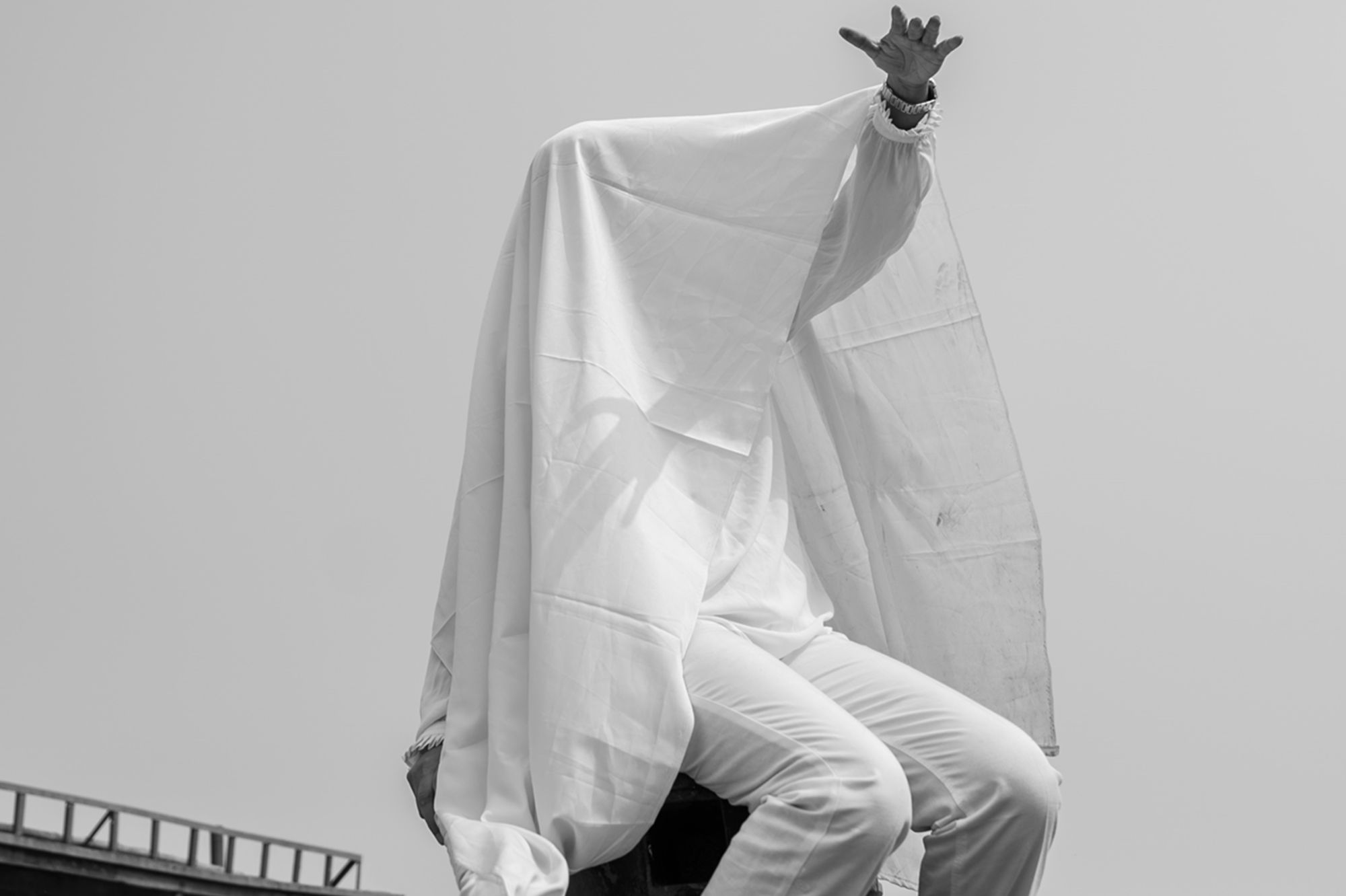
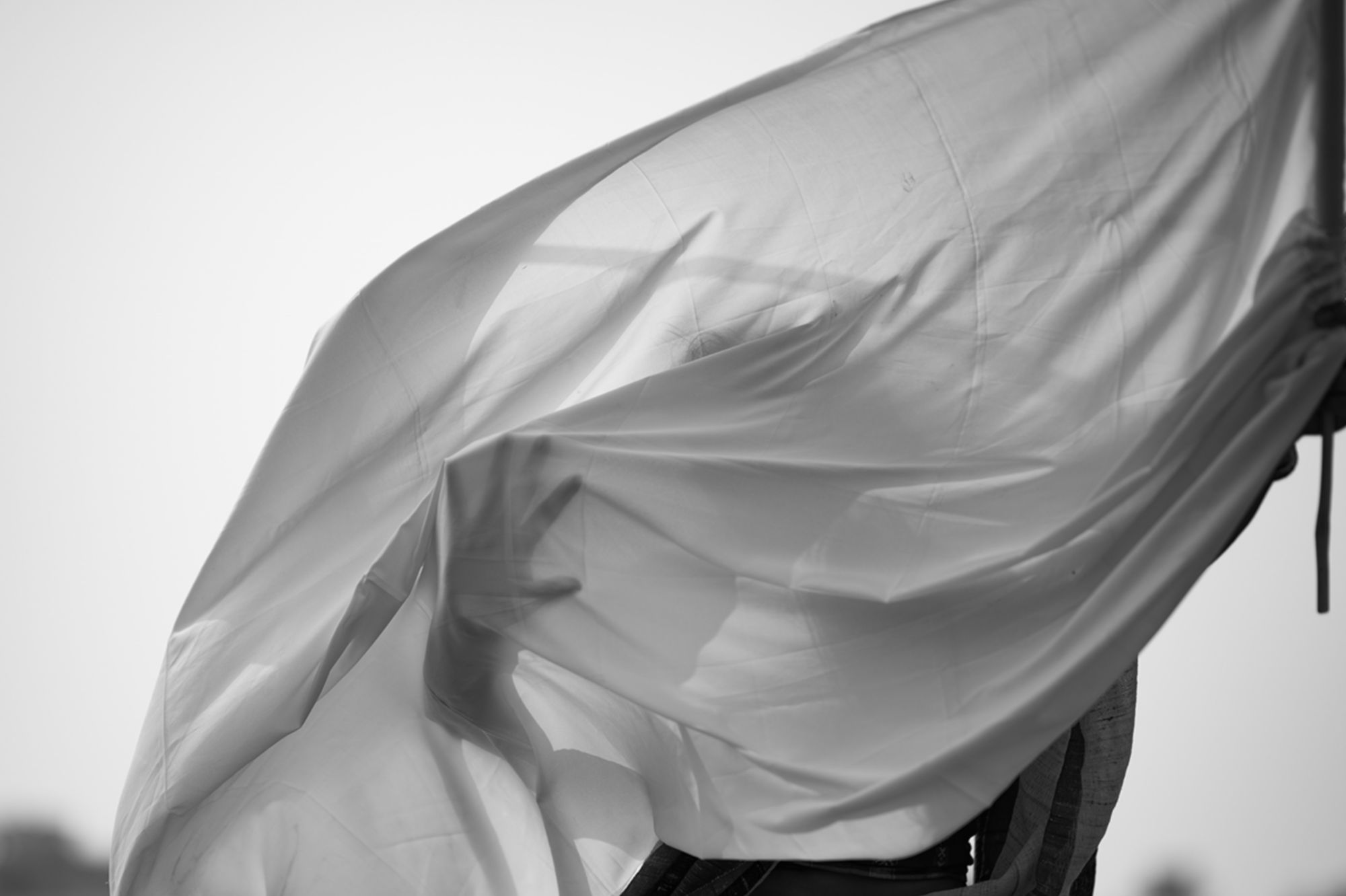
Amidst the relentless hustle and bustle around the Buriganga River, where the grim surroundings seem to suffocate any trace of calm, the artist moves like a solitary flag bearer on a quest for serenity. The chaotic scene unfolds before her when people are rushing, markets loud, life continues but no one seems to notice the serenity the river seeks. In this sea of motion, she searches for moments of peace, her heart yearning for the serenity that eludes her, as if carrying the weight of her own melancholy against the tide of noise and confusion.

Urban Traditional Artist
Md. Hanif Pappu
Born on March 15, 1962, in the bustling
streets of Nawabpur, Md. Hanif Pappu’s hands have painted the soul of Dhaka’s
cinema for over five decades. Guided by his uncle’s craft since 1968, Pappu’s
passion ignited early, with his first banner in 1971 marking the beginning of a
lifelong journey shaped by vivid color and creativity. Much like the rickshaw’s
vibrant storytelling, his cinema banners once filled Dhaka’s movie halls with
tales of heroism, love, and drama, now standing as a nostalgic tribute to a time
when hand-painted art dominated the screen.
Through his years at Rupayon Art Gallery,
Pappu cultured a distinct style, blending rich tones of red oxide, zinc oxide,
and sindoor with fluorescent hues to create unforgettable cinema scenes. His
banners adorned countless films, from Ora Egaro Jon to Beder Meye Josna,
each painting a testament to his devotion to the craft. Yet, as digital banners
replaced the brush, Pappu faced a shift in demand, but his legacy remains as
vibrant as ever. The golden years of tirelessly creating up to ten banners a
day, under pressure from both audience and producer remains a cherished memory.
Pappu’s work transcends borders, blending
cultural influences and language into every stroke. Raised in a strict Haji
family, his heart found solace in his uncle’s workshop, where vibrant colours
brought the world of cinema to life. As a proud contributor to Dhaka's
cinematic history, Hanif Pappu’s banners remain a cherished part of the city’s
heritage as a vivid reflection of the dreams, struggles, and triumphs of a
bygone era.
Urban Traditional Artist
Syed Ahmed Hossain
Syed Ahmed Hossain, born in 1954 in Hussaini
Dalan is a master of rickshaw art, painting the very pulse of Dhaka with every
stroke, as if his brush follows the flow of the Buriganga River through the
streets. Just as the river nourishes the city, Sharif’s vibrant creations bring
life to the rickshaws that traverse it, weaving a narrative of daily life,
dreams, and color. The earliest record
of commercial rickshaw in Dhaka dates back to 19381 (Rashid, 1986), and since
then, the city claimed its title as the rickshaw capital of the world, Sharif’s
work stands as a vibrant testament to this rich legacy. His paintings are
adorned with iconic motifs: Buraq, Peacocks, Parrots, Swans, Lotus, Animals and
so on. Each image is a reflection of the vibrant techniques and visuals that
the rickshaw painters have been using throughout the years.
His journey as a rickshaw painter began in
humble surroundings, but his passion for art soon flourished. A self-taught
artist, Hossain mastered the use of enamel and fluorescent colours, creating
intricate and vivid scenes that have become synonymous with the rickshaw
tradition. His work captures not just the city’s landscape but the very soul of
Dhaka.
In 1992, Hossain's brilliance reached beyond
Bangladesh with an invitation to Japan to showcase his paintings. His works
have been exhibited in Italy, France, Nepal, United Kingdom, and the United
States, with a prominent showing at the Alliance Française exhibition in 1999.
As a proud contributor to Dhaka's UNESCO-recognized cultural heritage,
Hossain’s art continues to embody the city’s vibrant, ever-evolving spirit.


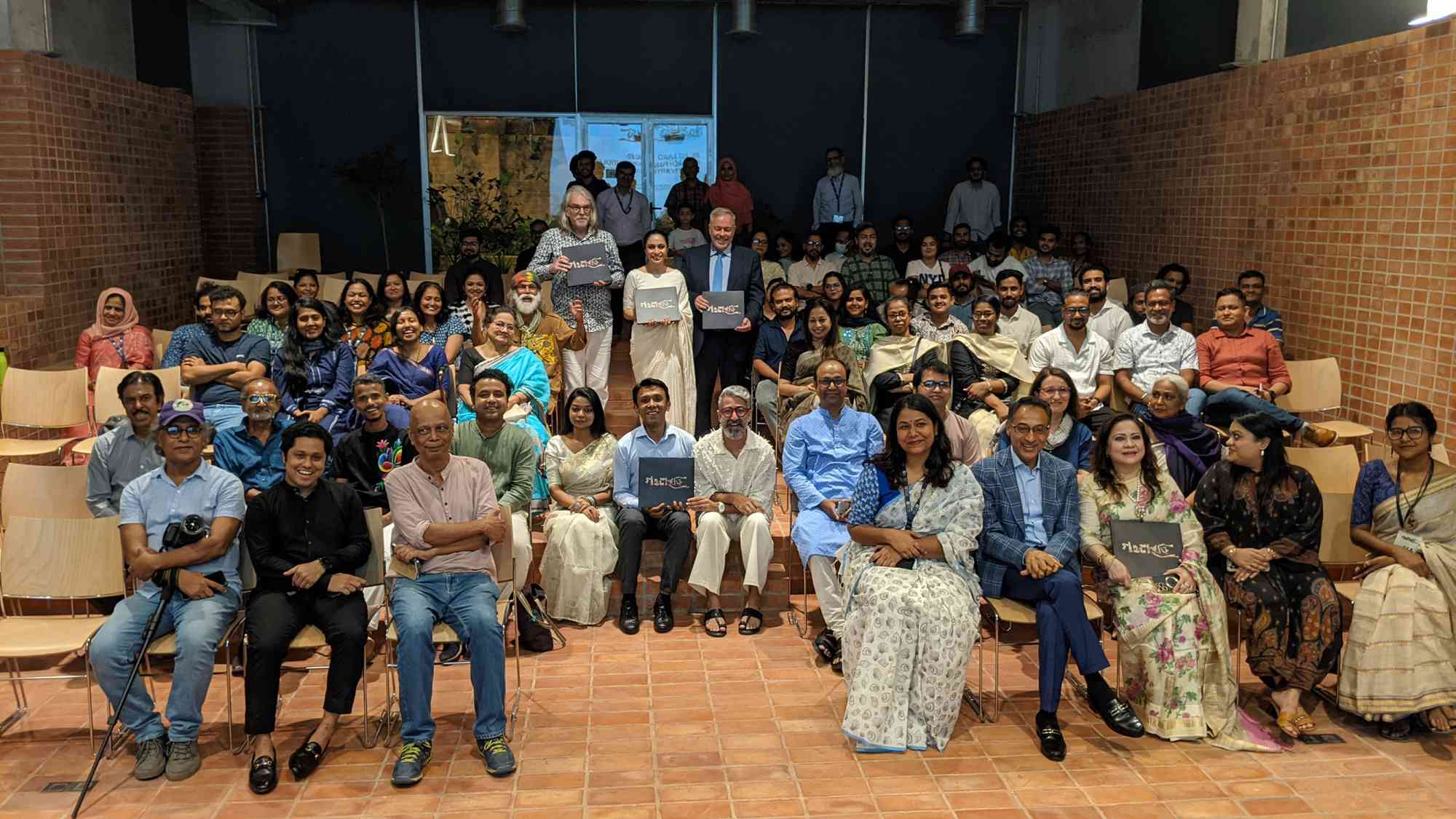
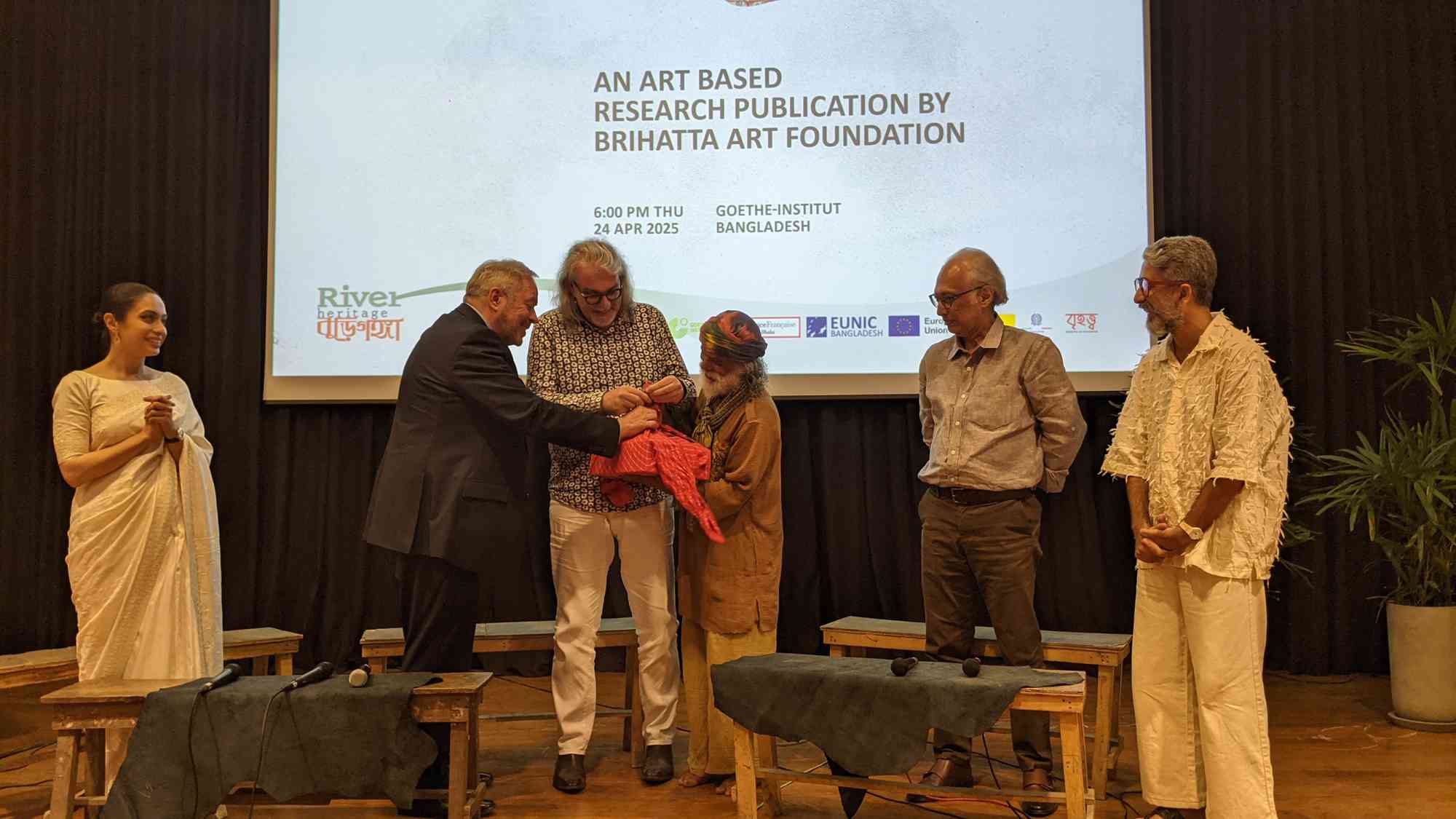
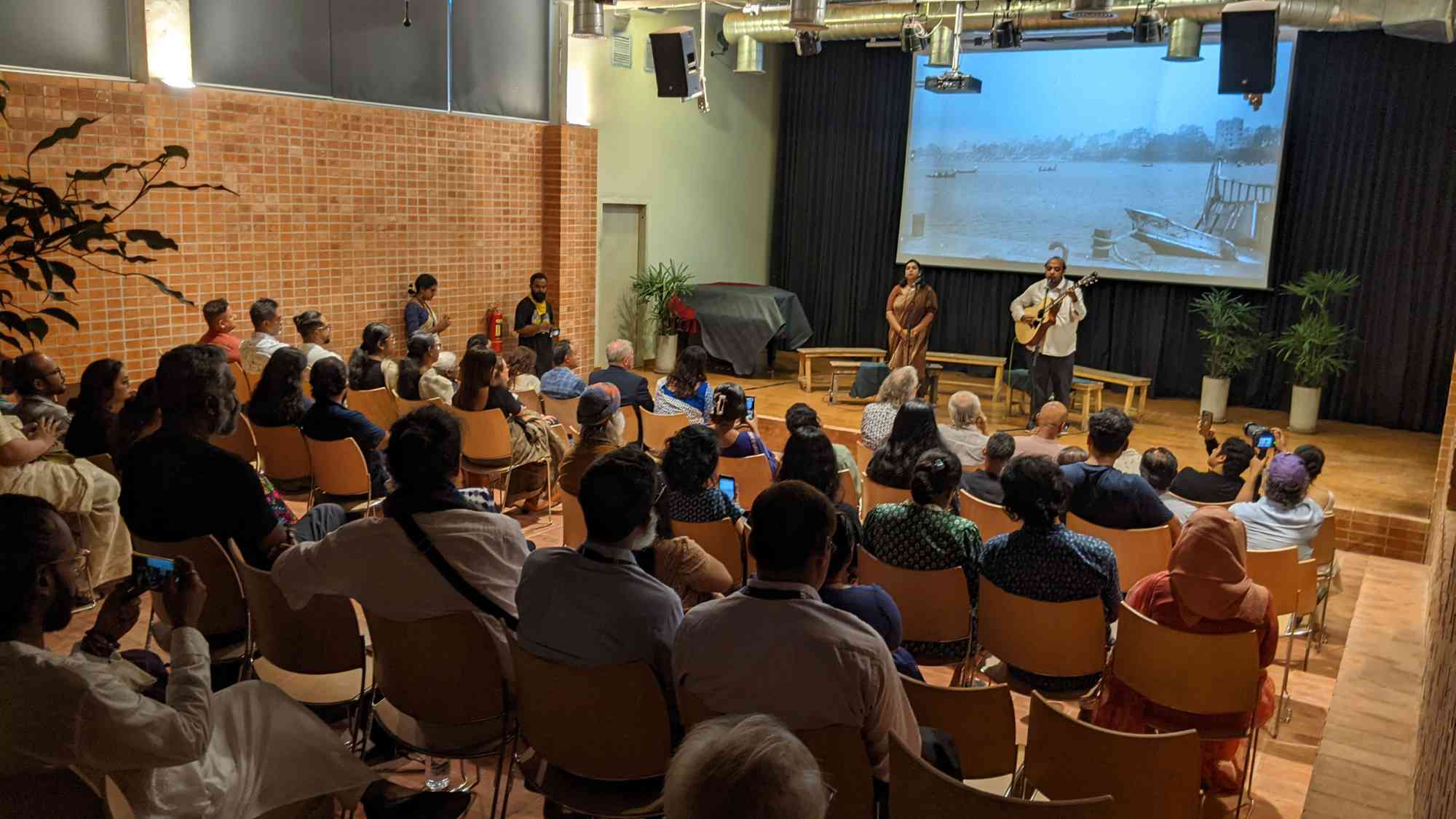
Book Launch | গঙ্গাবুড়ি / Gangaburi: An Art-Based Research Book
April 24, 2025 | Goethe-Institut Bangladesh

Published by Brihatta Art Foundation, Gangaburi
brings together the two-year journey of the গঙ্গাবুড়ি
/
Gangaburi:
River Heritage Project, spanning two seasons of research, workshops, and
exhibitions. The book documents an ongoing conversation with the communities
who live and work along the Buriganga River, capturing their stories,
practices, and resilience amid the changing landscape of Old Dhaka. The
publication serves as a lasting resource for stakeholders and the broader
public, ensuring that the project’s learnings and heritage preservation efforts
continue to inspire and educate beyond the project timeline.
This publication was made possible with the
generous support of the Goethe-Institut Bangladesh.



Contributors
Editorial: Nusrat Mahmud,
Sabiha Ambareen Haque
Editorial
Conception / Layout / Manuscript: Bishwajit Goswami
Research
Principal
Investigator (PI): Bishwajit Goswami
Research Director: Nusrat Mahmud
Research Associate: Dr. Abu Kalam Shamsuddin
Research Scholars: Sabiha Ambareen Haque, Souradeep Dasgupta
Research Assistants: Anas Bin Iqbal, Farhana Rafiq Achol, Tirtha Saha
Project
Leadership
Project
Curator: Shehzad Chowdhury
Project Director: Bishwajit Goswami
Project Manager: Nusrat Mahmud
Project Coordinator: Md. Tanjid Hosen Parvez
Design:
Anas Bin Iqbal, Ashik Ahmed Galib, Tirtha Saha
Images: Arup Mandal, Bishwajit Goswami, Kamran Hossain Nayem, Niloy Mankin,
Nirob Tahsan, Tirtha Saha
Proofreader: Sadia Zahid
Foreword: Farida Zaman, Kazi Khaleed Ashraf, Luva Nahid Choudhury
Note from Mr. Frank Werner (2025)
River Heritage is the third chapter of a long-running heritage
initiative that has been implemented by the EUNIC Bangladesh Cluster in
partnership with the EU Delegation since 2019. Earlier phases of the project
included an Open Heritage Week, which showcased the cultural heritage of Puran
Dhaka, and the Hidden Heritage website, which highlighted lesser-known
architecture with historical or social significance to the city. The new
project, which was carried out in collaboration with the Brihatta Art
Foundation and is now documented in this book, has highlighted the diverse
tangible and intangible heritage of Puran Dhaka over the past two years.
As Dhaka continues to develop rapidly and mutate economically,
its oldest and most populous neighbourhood is in danger of losing its
traditions and culture. There is a complicated relationship between Puran Dhaka
and the Buriganga River, on whose banks it has developed, and which remains the
main source of livelihood for most families in the area. River Heritage
explored this web of relationships through curated exhibitions to build bridges
of understanding between Puran Dhaka and other, newer districts of the city.
The project engaged local communities in Puran Dhaka and gave them a voice to
collect their stories and highlight existing and ancestral traditions that are
at risk of being forgotten. The project provided a platform for reflection and
surprise. It gave a sense of pride to the people living in Puran Dhaka.
I am convinced that culture can initiate change.
River Heritage, through this beautifully designed and
content-rich book, will stimulate a dialogue between public stakeholders such
as the city council and the residents of the neighbourhood that will hopefully
contribute to a rethinking of heritage conservation.
Frank Werner
President
EUNIC Cluster Bangladesh
Director, Goethe-Institut Bangladesh
Why Art-based research?
Art-based research: A Comprehensive and Nuanced View of Reality
I don't paint art pieces; all these are research.
- Pablo Picasso (1881 – 1973)
The art of
scientific investigation is known as research. Consequently, Art-based research
is significant because it enables the exploration of intricate concepts and
experiences in ways that conventional research methods might not be able to. It
offers distinctive perspectives on the human condition by utilizing the ability
of art to evoke feelings, embodied experiences, and implicit knowledge. This
method fosters a more comprehensive and nuanced view of reality, encouraging discussion
and various interpretations of research findings. Art allows for depicting
complex and multifaceted realities that are difficult to portray through
traditional research methods by exploring distinction and complex issues. It
contests the dominance of one point of view by providing a parlance platform
for analyzing multiple meanings and interpretations.
By examining
Nuanced and Complex Issues, Art makes it possible to depict intricate and
multidimensional realities that are challenging to convey using conventional
study techniques. It challenges the dominance of one viewpoint by offering a
forum for examining various meanings and interpretations. In fact, by including
participants in the research process and enabling them to co-create meaning,
art-based research can foster collaborative processes by encouraging Discussion
and cooperation. This participatory approach may increase participants' sense
of ownership and engagement.
By offering a
unique perspective on knowledge generation, art-based research challenges the
conventional distinction between art and science rather than challenging standard
research paradigms. Using the benefits of art and science promotes a more
thorough and interdisciplinary approach to research. Art has the potential to
be a powerful tool for raising awareness of social issues and promoting social
change since it provides a forum for advocacy and social change. By
representing social reality through artistic manifestations, art-based research
has the potential to challenge dominant discourses and empower marginalized
voices.
Art-based
research (ABR) is the foundation of the methodology used in this specific
Gangaburi project (Phase 1 and 2). It features the original works of
multidisciplinary artists based on an open-call investigation into multimedia,
visual artists, performing artists, consumer dialogue, individual creations,
case studies, practitioner and local interviews, and qualitative consumer
surveys. ABR is defined as the systematic use of this creative process—the
original production of artistic expressions in the aforementioned forms of the
arts—as a primary tool for understanding and analyzing experiences for
researchers and study participants. This study included analyses of phenomena
where the arts are mainly regarded as data to achieve specific goals.
Dr Abu Kalam
Shamsuddin
Associate Professor
Drawing and Painting Discipline
Khulna University, Khulna-9208
Bangladesh
Gangaburi book has been a
transformative journey of discovery and reflection, rooted in art-based
research. Our research draws data from artworks produced in the Gangaburi-River
Heritage Project with intangible sources like mythologies, songs, stories, and
cultural memory that shaped their narratives.
British historian Simon Schama once
said, “Landscapes are culture before they are nature.” That idea stayed with
me. It became a prompt, a provocation—what better way to begin decolonizing
landscape architecture than through the language of art? Art teaches us to
listen, to feel, and to reclaim the silenced or forgotten stories embedded in
our terrain.As an author and researcher, I explored how our heritage shapes the
narratives of our land and identity.
I hope that Gangaburi opens up new
conversations. We invite readers to consider the cultural relationships we hold
with nature and how those relationships might guide us in honoring and carrying
forward our heritage.
Also, this book is not a catalogue—it
does not aim to showcase every artwork produced. Instead, it captures the
essence, the narrative, and the learning curve of the Gangaburi River Heritage
Project. In over 150 pages we hope to offer a new aperture—an entry point into
the evolving genre of art-based research.
Sabiha Ambareen Haque
Landscape Architect
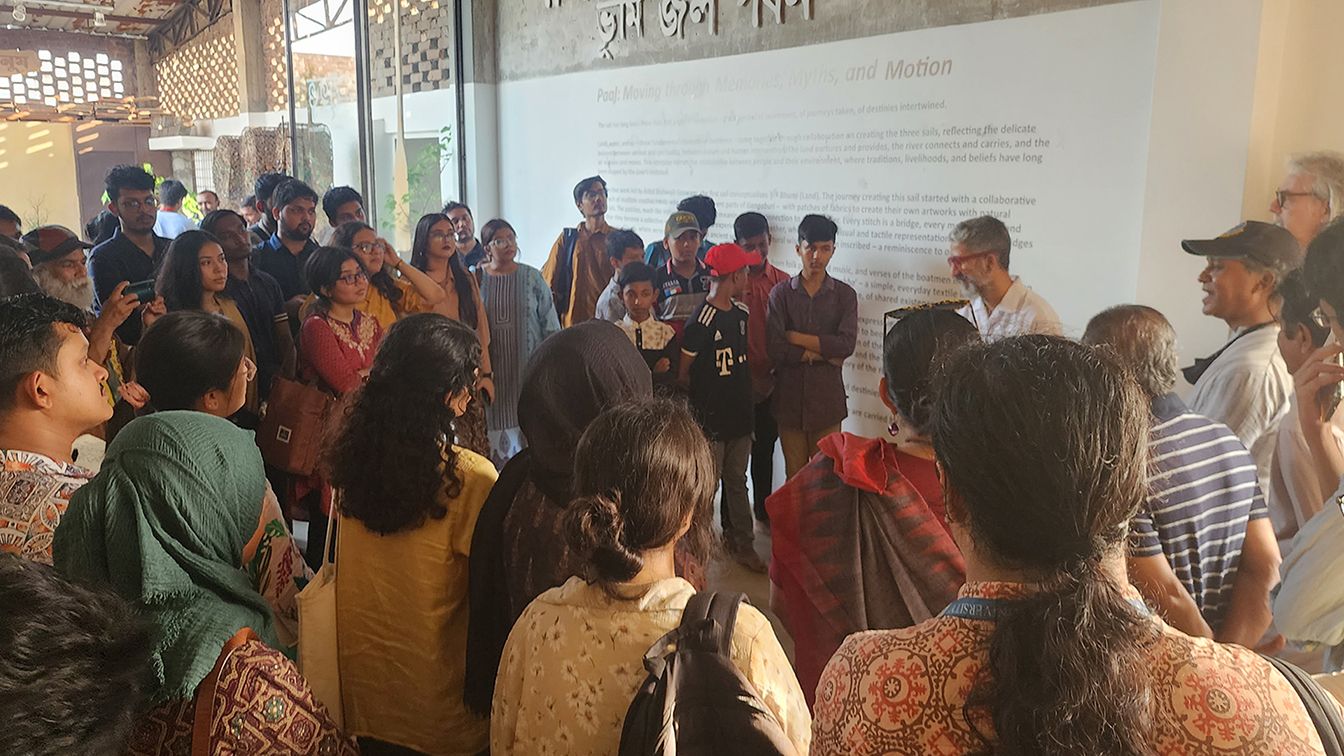
পাল: ভূমি, জল, পবন / Paal: Moving through Memories, Myths, and Motion
April 25, 2025 - May 02 , 2025

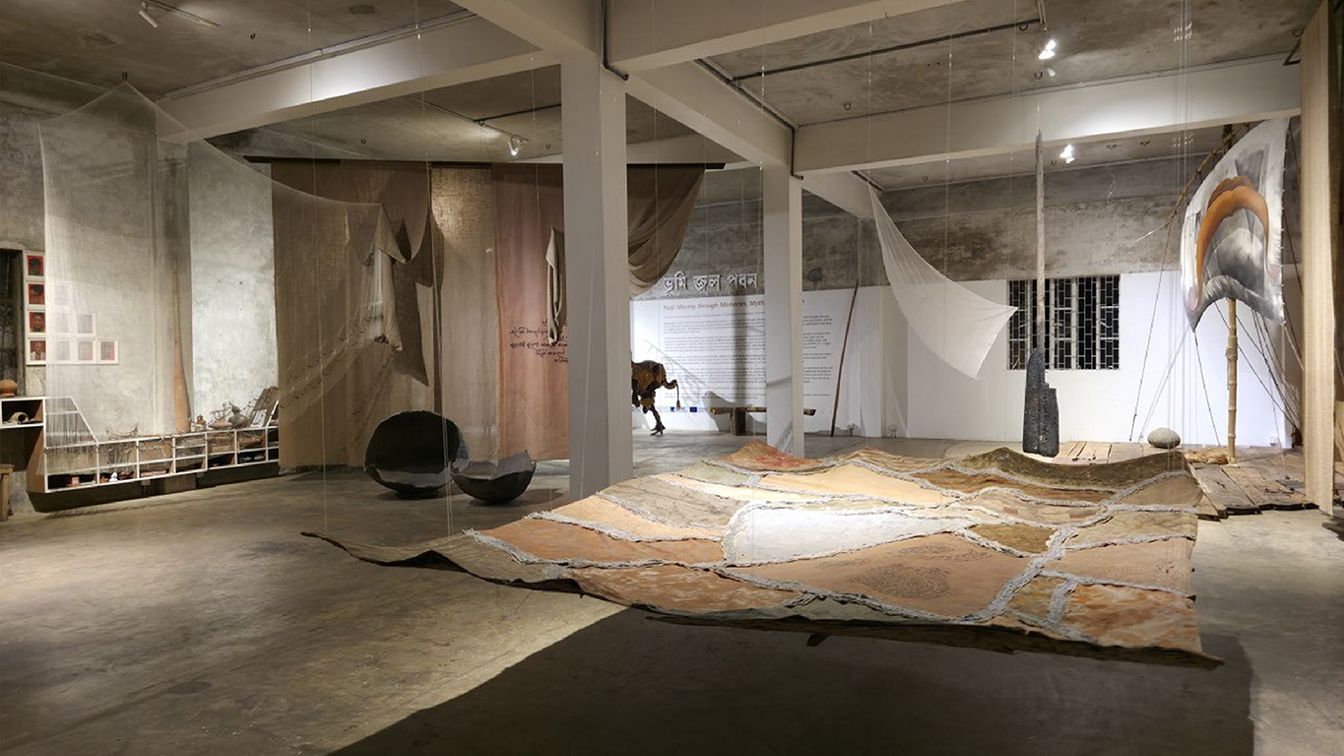
Conceived under the artistic direction of
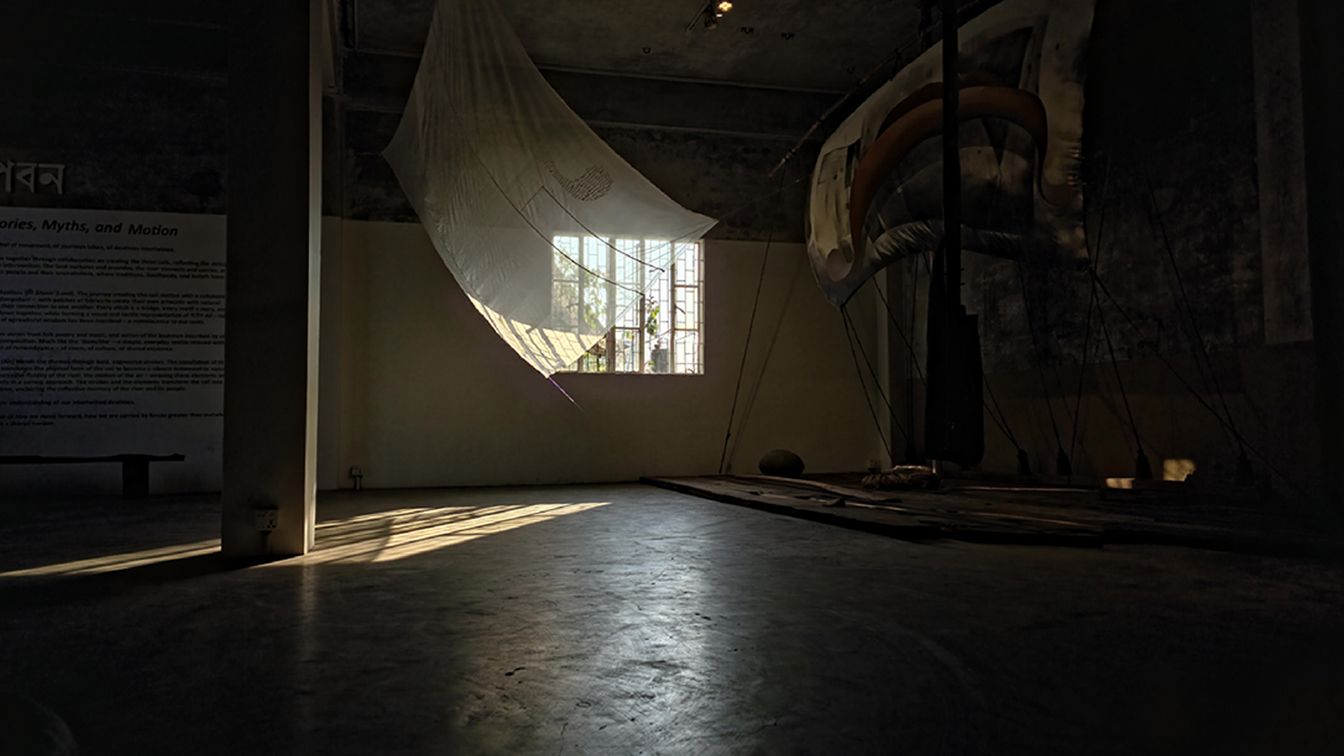
Artist Bishwajit Goswami, the exhibition presented three monumental sails
representing ভূমি
(Bhumi)/ Land, জল
(Jol) / Water, and পবন (Paban) / Air.
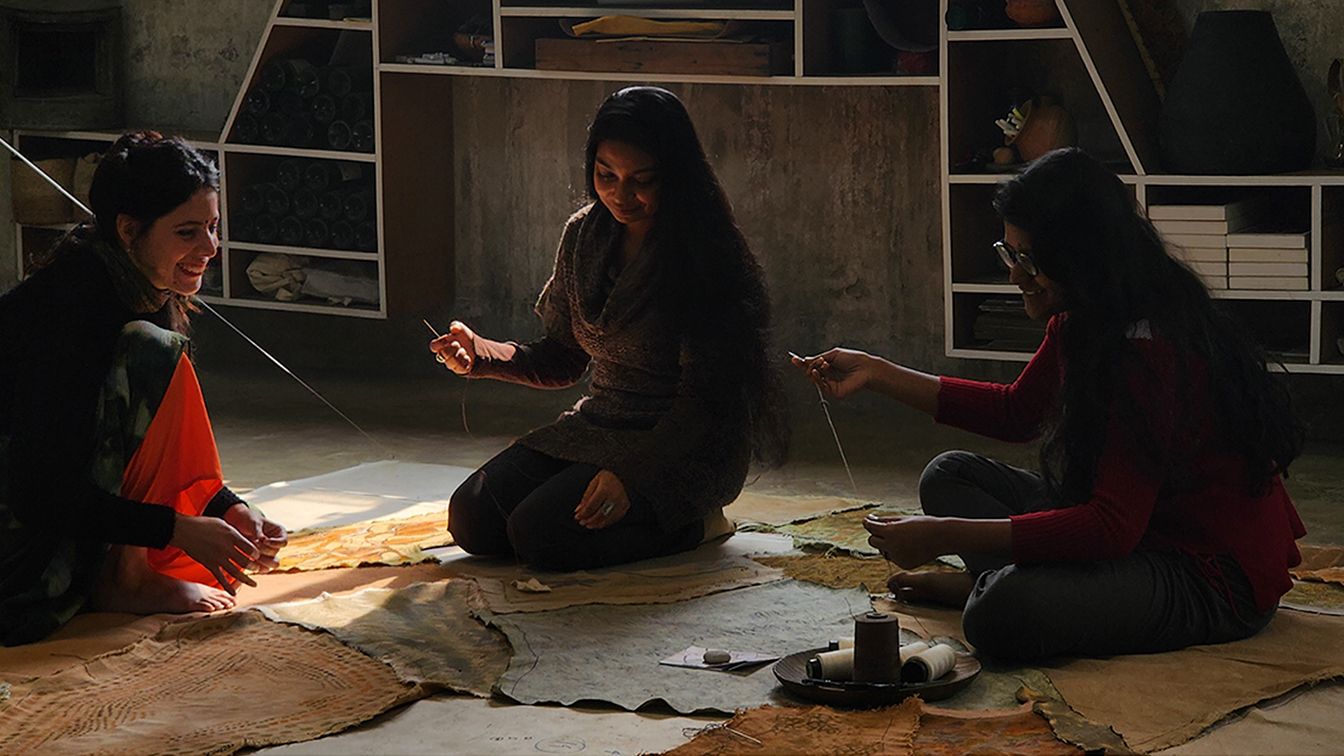
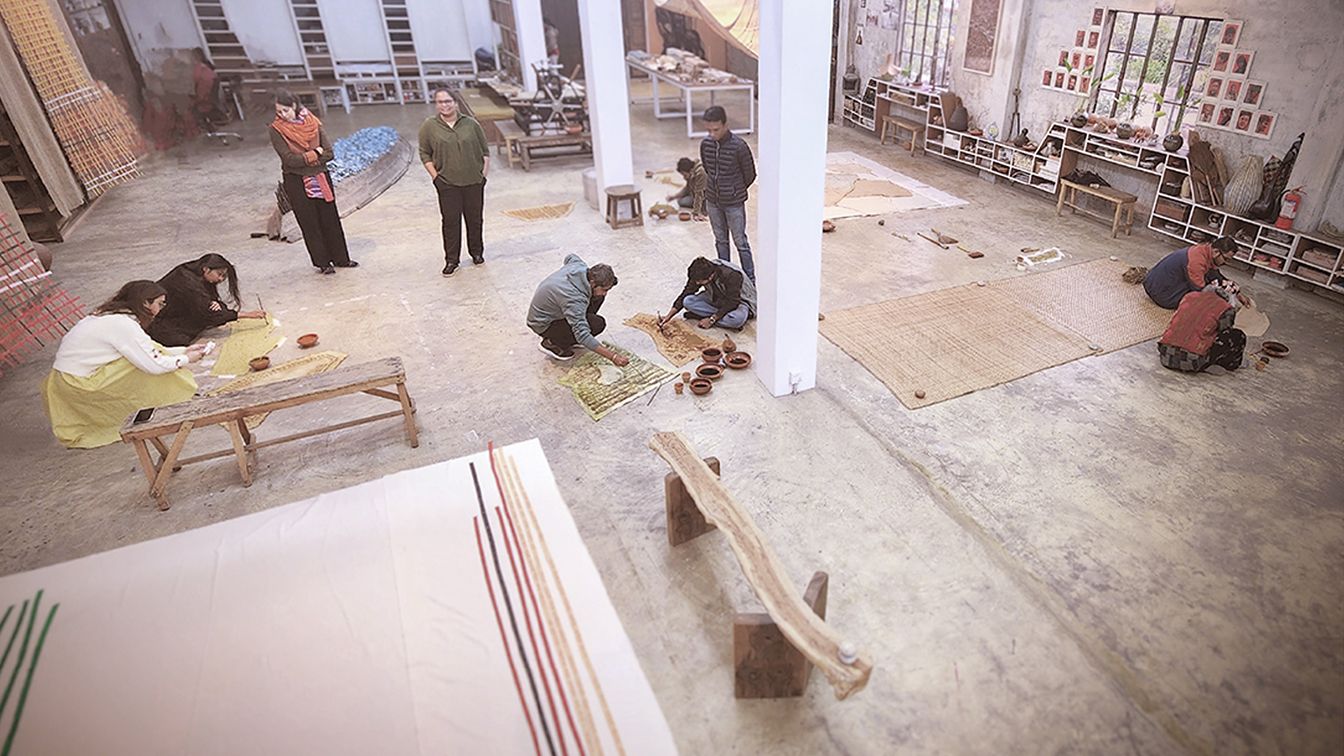
Each
sail was created through collaborative processes that brought together artists
and riverside communities of the Buriganga. Natural materials, folk poetry, and
traditional crafts were interwoven into their making, grounding the works in
both heritage and lived experience.
Together, the sails stood as a striking visual
and conceptual metaphor for the interconnectedness of people, nature, and time.
At once artefacts and symbols, they transformed the image of the sail into a
vessel of memory, motion, and collective belonging—offering audiences a
poignant reflection on our shared relationship with the river.





Programme Note
As an aftermath of Gangaburi’s exploration, পাল ‘Paal’ emerges as a testament to the roots that have been nurtured and the paths that have unfolded. It becomes a metaphor for our collective journey, a passage through time where land, water, and air converge in an eternal dialogue. It carries the essence of coexistence, a silent witness to the rhythm of nature, the pulse of the river, and the aspirations of those who depend on its course.
The sail has long been more than just a tool of navigation – it is a symbol of movement, of journeys taken, of destinies intertwined. It is not merely a tensile structure of fabrics stitched together, but a weaving of thoughts, histories, and inheritances. Land, water, and air – three fundamental elements of existence – come together through collaboration on creating the sails, reflecting the delicate balance between survival and spirituality, between nature and human intervention. The land nurtures and provides, the river connects and carries, and the air sustains and moves. This interplay mirrors the relationship between people and their environment, where traditions, livelihoods, and beliefs have long been shaped by the river’s embrace.
A collective work led by Bishwajit Goswami, the first sail conceptualises ভূমি Bhumi (Land), The journey creating this sail started with a collaborative approach of multiple creative minds who worked in different parts of Gangaburi – with patches of fabrics to create their own artworks with natural materials. The patches, much like individual journeys, find meaning in their connection to one another. Every stitch is a bridge, every motif a story, and together they become a collective expression of a shared experience. Sewn together, while forming a visual and tactile representation of আইল Ail – ridges and furrows of lands, where verses from খনা Khona1, an ancient source of agricultural wisdom has been inscribed – a reminiscence to our roots.
A parallel narrative on জল Jol (Water) unfurled on the second sail, where verses from folk poetry and music, and verses of the boatmen inscribed by urban traditional artists who reside near the Buriganga became a part of the composition. Much like the ‘Gamchha’ – a simple, everyday textile imbued with profound cultural connections where the act of weaving becomes an act of remembrance – of rivers, of culture, of shared existence.
Adding to this dialogue, a third sail capturing the essence of পবন Paban (Air) blends the themes through bold, expressive strokes. The installation of the sail structure, majorly reflected through the painting of Bishwajit Goswami transforms the physical form of the sail to become a vibrant testament to nature’s expressions. Through the structures and the veil in front, Goswami captures the fluidity of the river, the motion of the air – weaving these elements into a visual narrative that speaks to the timeless relationship of life and eternity in a surreal approach. The strokes and the elements transform the sail into an artifact that not only represents a journey across space but also across time, anchoring the collective memory of the river and its people.
Through these symbolic sails, Gangaburi charts a course towards a deeper understanding of our intertwined destinies. The sail, in its final form, is both an artifact and a philosophy – a reminder of how we move forward, how we are carried by forces greater than ourselves, and how, in the end, we are all part of the same current, flowing towards a shared horizon.
Bishwajit Goswami
Project Director
1 Khona is believed to have been a poet, astrologer, and prognosticator from Bengal, living during the ancient period, roughly between the 8th and 12th centuries AD. Her verses, known as Khona's Bochon (Khona's Words), cover a wide array of topics, including philosophy, agriculture, livelihood, and astronomy. Widely recognised across the Indian subcontinent, her teachings continue to be a valuable source of knowledge, especially among the region's agriculture-driven communities.
Research-based
approach anchored the Paal project; from Khona’s ancient verses to traditional
verses to community interviews - all helped uncovering the deep-rooted
connections to the river. These insights guided the conceptual and visual
journey, turning the sails into layered expressions of tradition, memory, and
motion.
Souradeep Dasgupta
Researcher
-
Research Support: Souradeep
Dasgupta, Tirtha Saha
Urban Traditional Artists:
Ali Reza Razu, Mahbub Alam, Mohammad Masum, Sony Sen
Collective Participation:
Anannya Mehpar Azad, Arup Mandal, Bilas Mandal, Dinar Sultana Putul, Dr. Abu
Kalam Shamsuddin, Farhana Rafiq Achol, Julia Lebrao Sendra, Kazi Sydul Karim
Tuso, Labonno Mou, Md. Khairul Alam Shada, Mokter Hossain, Moinuddin Moni,
Mojahid Musa, Mubtaseem Alvee, Nur a Alaa Siddique, Sabiha Ambareen Haque,
Sananda Saha Bhabna, Shamim Ahmed Chowdhury, Shehzad Shahriar Chowdhury,
Souradeep Dasgupta.
Acknowledgement
We would like to express our sincere
appreciation to the following individuals and organizations for their generous
cooperation in helping to make this remarkable project possible.